
 What's on
 Things to Do
 Plan your Visit
 Media Rules and Filming
𝐓𝐔𝐑𝐊𝐀𝐍𝐀 𝐎𝐈𝐋 𝐃𝐄𝐀𝐋 𝐔𝐍𝐃𝐄𝐑 𝐅𝐈𝐑𝐄 𝐎𝐕𝐄𝐑 𝐂𝐎𝐒𝐓 𝐑𝐄𝐂𝐎𝐕𝐄𝐑𝐘 𝐂𝐎𝐍𝐂𝐄𝐒𝐒𝐈𝐎𝐍𝐒


Oil and gas experts have urged Parliament to amend the Production Sharing Agreement (PSA) between the government and Gulf Energy E&P B.V over the Turkana oil project to require an independent audit of revenues, warning that the current framework exposes the State to opacity and inflated costs.
The experts proposed that the independent auditor incorporate representatives from the Office of the Auditor-General and the Kenya Revenue Authority (KRA) to enhance transparency and accountability.
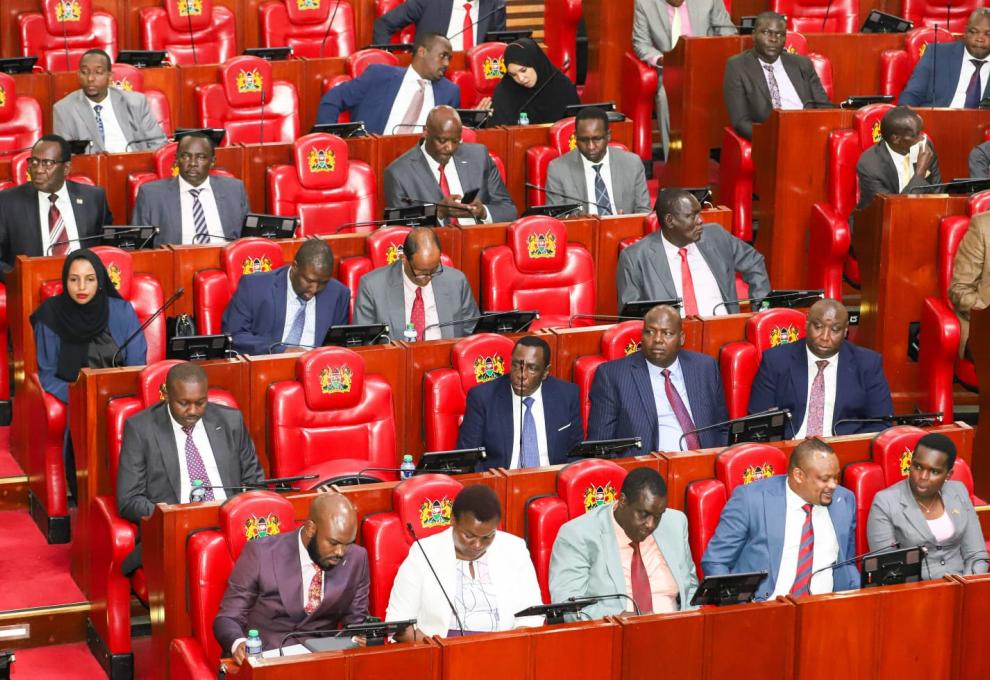
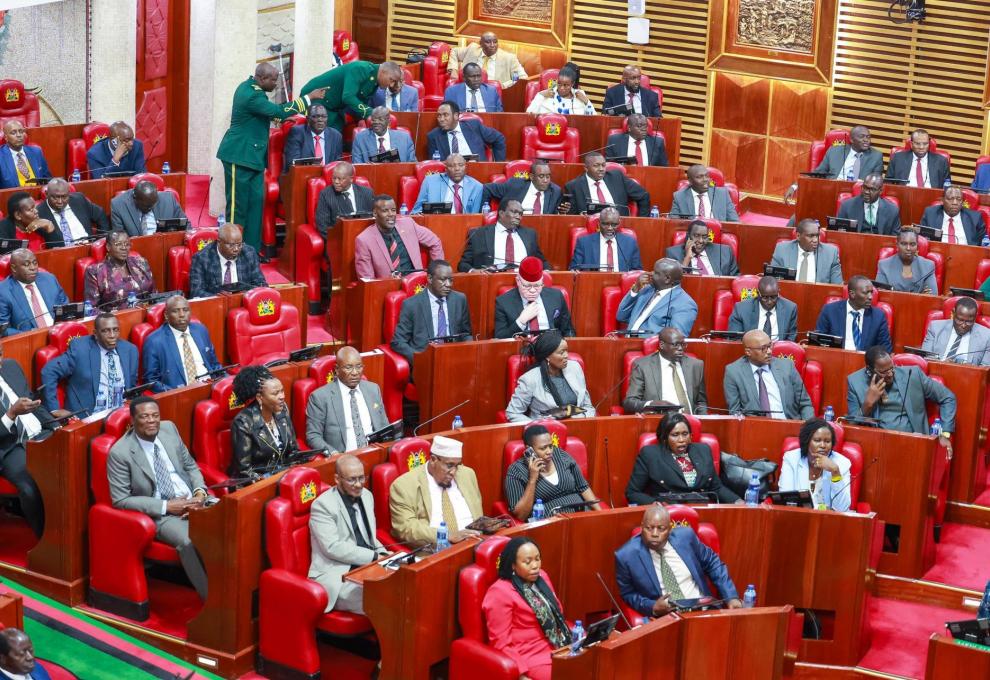
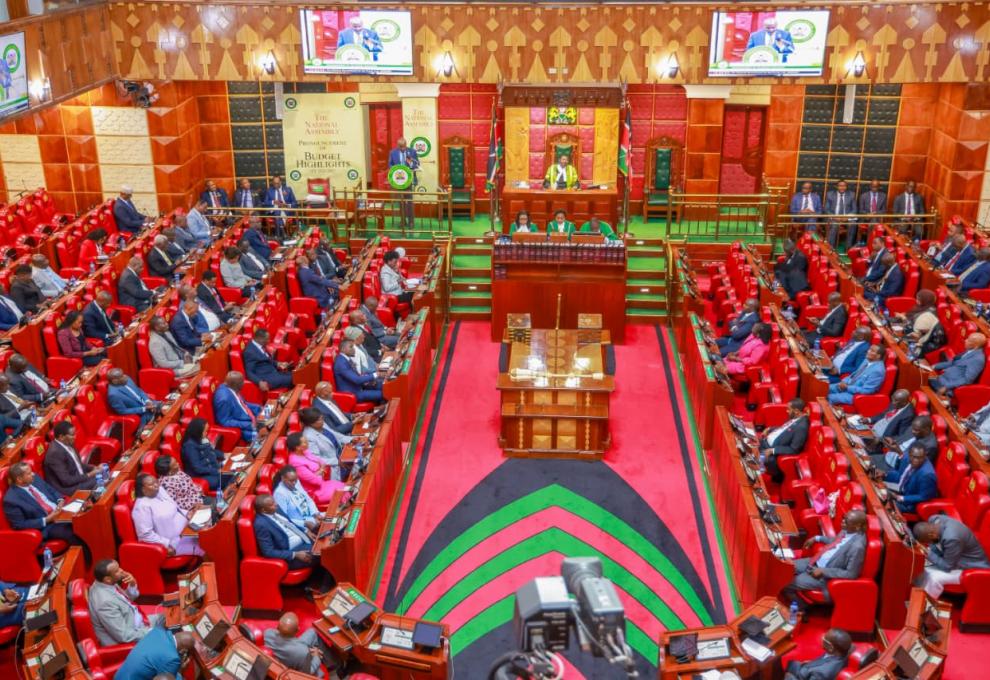
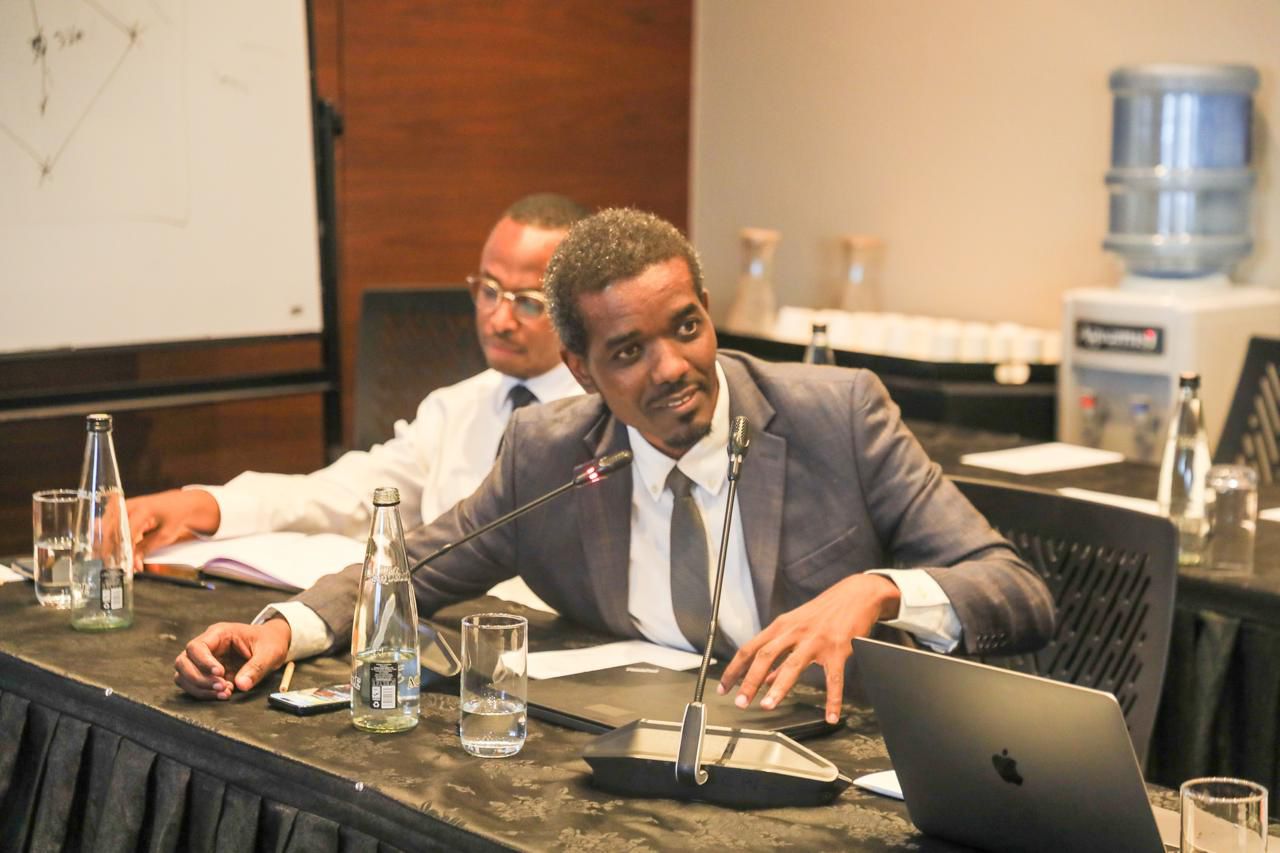
Appearing before the Joint Committees on Energy of the Senate and the National Assembly, the experts also called for clearer provisions on local content, environmental protection and accountability in the PSA.
The joint committees are scrutinising the Production Sharing Agreement between the Government of Kenya and Gulf Energy E&P B.V (GEBV) relating to Block 7 (formerly Block 13T).
GEBV is seeking to fully develop six key discoveries within the Block 10BB–13T licence areas under a two-phase project from which the government expects to earn $1.1 billion.
Under the First Addendum to Clause 27(6) of the Production Sharing Contract, Gulf Energy E&P B.V is granted exclusive rights to transport crude oil from Turkana to Mombasa and market the petroleum products.
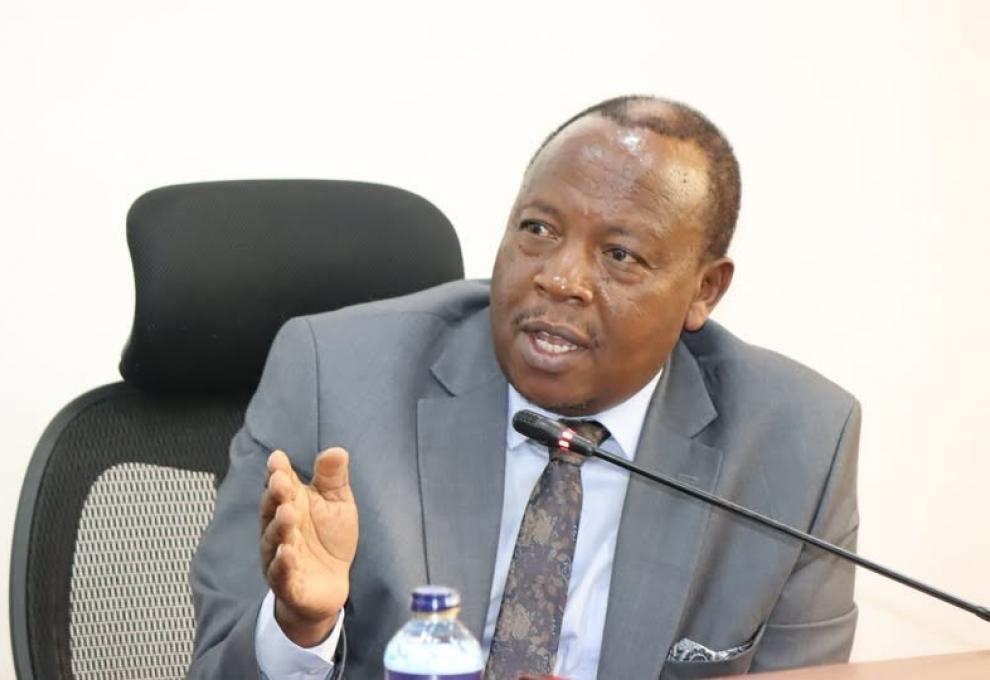
“We need an independent firm to manage a system that ensures the crude extracted from South Lokichar accurately reflects what is exported through the Port of Mombasa,” said Mark Ekwam, a former board member of Tullow Oil.
Mr Ekwam, who is now a consultant with the China National Petroleum Corporation, raised concern over the increase in cost recovery from 55 per cent in the original contract to 85 per cent.
“The 85 per cent cost recovery is a significant concession. While it may accelerate investment, it delays the realisation of government revenue,” he said.
He urged the joint committee to demand independent quarterly cost audits to prevent expense inflation and ensure strict adherence to the expanded definition of capital expenditure under the PSA.
“The capital expenditure definition has been expanded to include labour, fuel, maintenance, hauling, mobilisation, supplies and materials related to production, development, exploration and decommissioning,” Mr Ekwam noted.
He also called for an independent feasibility study on rail transport of oil from Lokichar to Mombasa, warning that reliance on road transport—estimated at 600 trucks daily to move 20,000 barrels of oil—poses the single biggest operational and social risk to the project.
Fredrick Ejore, Regional Director of Kamit Group Limited for East Africa, asked MPs to review the cost recovery ceiling and revert it to 55 per cent to ensure Kenya recovers its investment before the end of the production period.
“Investors assess whether a project is bankable before committing funds. At 85 per cent, they likely based their decision on what they are putting in,” Engineer Ejore said.
“They may have felt that 55 per cent was not attractive enough to justify the investment.”
He proposed that the Energy and Petroleum Regulatory Authority (Epra) be strengthened to oversee cost efficiency in oil operations to prevent erosion of government revenue.
“There is a need to revamp Epra or establish a specialised department within it to act as the government’s eye on this Gulf Energy oil project,” he said.
“We need technocrats within Epra who can critique every aspect of the South Lokichar oil project.”
Engineer Ejore added that such a unit should also oversee environmental and social safeguards, including environmental, health and safety standards, throughout the lifecycle of oil projects.
He further urged MPs to ensure proper data management covering all technical, financial and administrative information generated by the industry.
“Epra should ensure petroleum operations comply with the law, optimise resource use, promote national content, manage costs and protect the environment for long-term economic value,” he said.
He also called for the introduction of a National Supplier Database to require all firms seeking to participate in Kenya’s oil and gas sector to register and obtain approvals.
Mark Senteu, Commercial Manager at Vivo Energy Kenya, said the petroleum industry’s structure is inherently complex and requires greater transparency.
“There is a need for clarity on the number of barrels extracted per day and how benefits flow from the national government to counties and local communities,” Mr Senteu said.
He stressed the need for transparent mechanisms to track oil volumes from the South Lokichar basin to Mombasa for export.
However, Chepalungu MP Victor Koech Mandazi questioned the push for an independent technical body, noting that Epra already exists.
“Are you saying Epra is not doing the work it is supposed to do?” he asked.