 What's on
 Things to Do
 Plan your Visit
 Media Rules and Filming
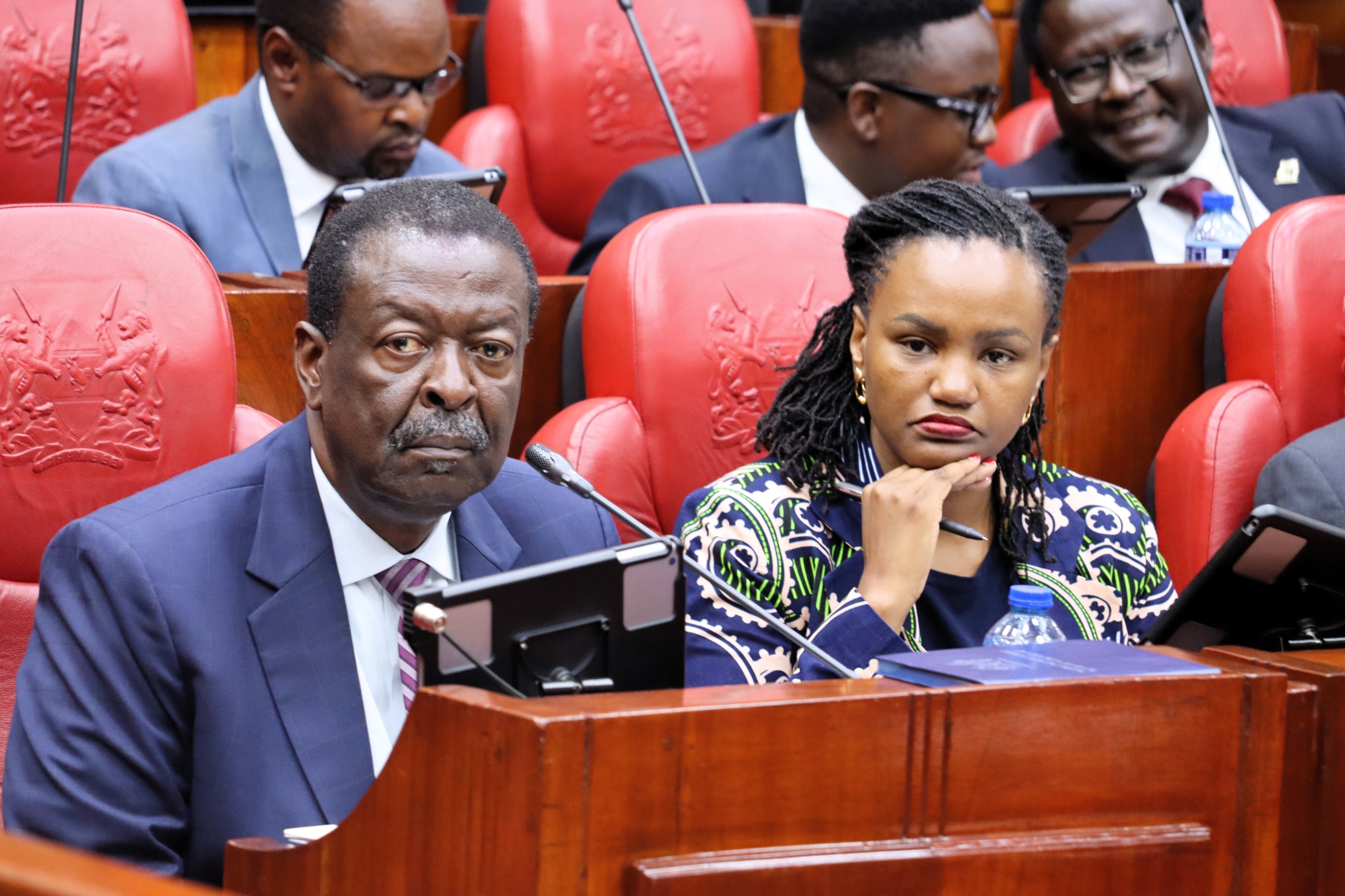
𝐌𝐔𝐃𝐀𝐕𝐀𝐃𝐈: 𝐊𝐄𝐍𝐘𝐀 𝐏𝐔𝐑𝐒𝐔𝐈𝐍𝐆 𝐃𝐈𝐏𝐋𝐎𝐌𝐀𝐓𝐈𝐂 𝐑𝐎𝐔𝐓𝐄𝐒 𝐓𝐎 𝐒𝐄𝐂𝐔𝐑𝐄 𝐑𝐄𝐓𝐔𝐑𝐍 𝐎𝐅 𝐍𝐀𝐓𝐈𝐎𝐍𝐀𝐋𝐒 𝐂𝐀𝐔𝐆𝐇𝐓 𝐈𝐍 𝐑𝐔𝐒𝐒𝐈𝐀-𝐔𝐊𝐑𝐀𝐈𝐍𝐄 𝐖𝐀𝐑


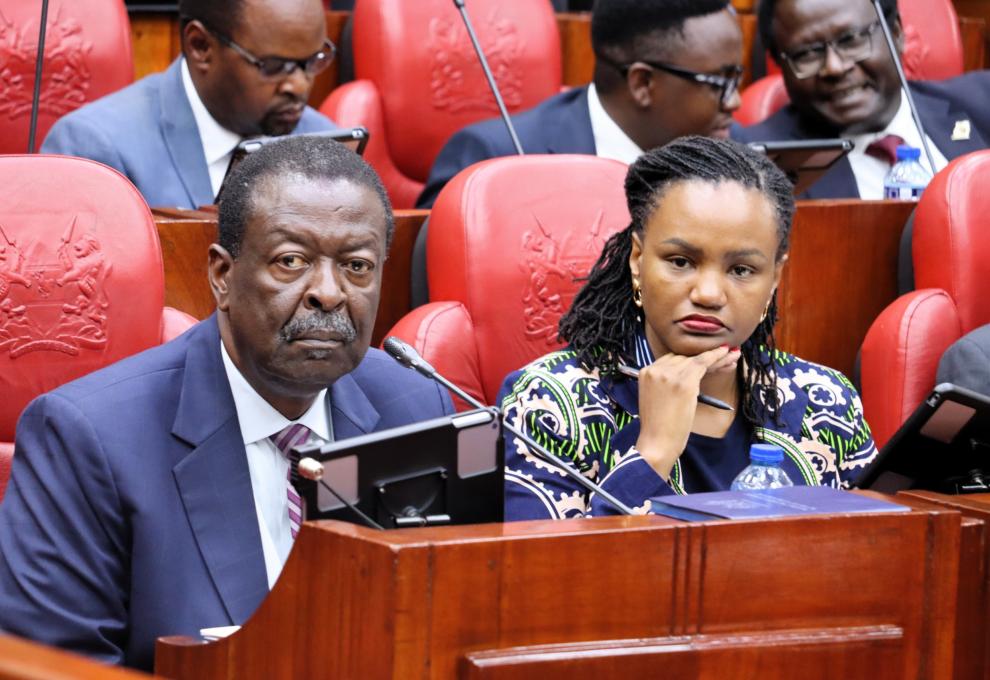
Kenya is using diplomatic channels to secure the return of its nationals caught up in the Russia-Ukraine war, Prime Cabinet Secretary Musalia Mudavadi has told the Senate.
Appearing before a joint sitting of the Senate Committees on Labour and Social Welfare and National Security, Defence and Foreign Relations, Mudavadi said the government was working through its diplomatic missions to locate Kenyans whose whereabouts were unknown, secure the release of those held in Ukraine and facilitate the return of those able to leave the conflict.
He told the meeting co-chaired by Sen Fatuma Dullo (Isiolo) and Ag Chair Joe Nyutu (Murang’a) that the government had recorded 354 Kenyan nationals connected to the crisis, covering those on the front lines, people whose whereabouts were unknown, those reported killed or missing in action, hospitalised or repatriated, and five confirmed prisoners of war.
Sixty-two Kenyans had so far been repatriated, he said.
Mudavadi said Kenya had also secured its inclusion on a Russian “stop list” intended to prevent further enlistment of Kenyan nationals in the military operation. The Kenyan Embassy in Moscow had reported no additional enlistments since the measure took effect.
The government is also strengthening measures to prevent deceptive recruitment through pre-departure orientation on employment contracts, workers’ rights and destination-country requirements, as well as efforts to verify recruitment agencies and employment opportunities.
Mudavadi said some military-related recruitment had taken place privately and without the knowledge of the Kenyan government.
The government has confirmed five Kenyans as prisoners of war in Ukraine. Mudavadi said Kenya was monitoring their situation through diplomatic channels and pursuing avenues for their release, including possible prisoner exchanges.
The committees also heard that the whereabouts of some Kenyans believed to have died remained uncertain.
Some remains are in Ukrainian custody, Mudavadi said, while others could still be in areas affected by fighting, including parts of Donetsk and Luhansk outside Ukrainian government control. Ukrainian intelligence has reported the remains of four Kenyans (Simon Gitau, Clinton Mogesa, Dennis Obwori and Eric Mwangi) in its custody.
Mudavadi said DNA testing could be necessary to establish identities, while the condition and location of some remains could make identification and repatriation difficult.
The Prime CS said Russia had informed Kenya that it could not meet the cost of repatriating the remains of deceased Kenyans, with arrangements therefore being handled on a case-by-case basis.
Kenya currently has no dedicated fund to support returnees or repatriation of remains, Mudavadi said. The government had instead reallocated resources to provide humanitarian assistance to some returnees, including accommodation, food and air tickets.
He proposed the establishment of a Welfare Fund through legislation, subject to parliamentary approval and allocation of resources.
Senators questioned the government on how families can obtain assistance when communication with relatives in Russia is suddenly lost.
Sen Okong’o Mogeni (Nyamira) raised the case of Onyancha Tom, who reportedly contacted his family in February before communication was lost, and sought to know whether families could access an urgent-response mechanism to trigger faster government intervention.
Mudavadi said such cases were pursued through diplomatic missions and other available channels. He added that the government uses the designation “missing in action” where it cannot conclusively establish whether a person has died.
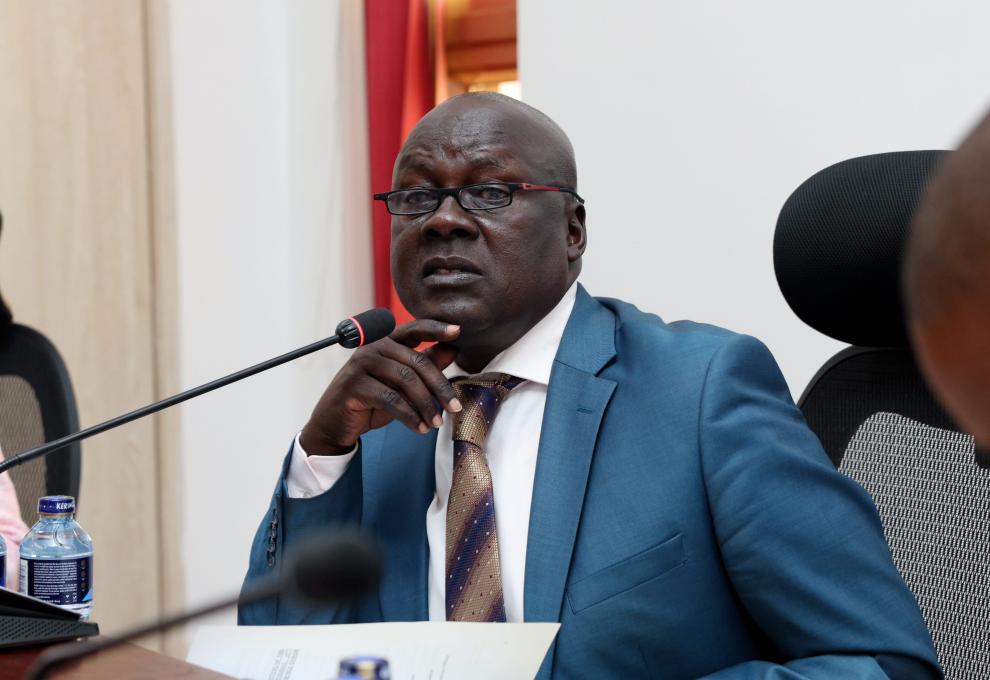
Sen Nyutu questioned whether Kenyan officials or intermediaries had facilitated the recruitment or movement of Kenyans to Russia, including through Jomo Kenyatta International Airport.
Mudavadi said Kenya does not issue Russian visas, which are issued by Russian authorities. He also pointed to proposed legislative measures to strengthen safeguards against deceptive recruitment, including the Labour Migration and Management Bill, 2024.
The hearing also raised questions over the number of Kenyans believed to have been recruited into the Russian military.
Peter Kamau, the lead petitioner presented documents containing a list of approximately 841 Kenyan recruits, a figure substantially higher than the government’s current records.
Mudavadi said the particular list had not been provided to his office before the hearing and could therefore not immediately be verified.
The petitioners said the circumstances of some people on their list had changed since the petition was presented to the Senate, including cases involving hospitalisation, return to the front line and reported deaths.
The committees directed that the petitioner’s supporting documents be formally tabled and forwarded to the Ministry of Foreign and Diaspora Affairs for verification against information available through Kenyan diplomatic missions and other relevant records.
The committee said the process should be fast-tracked, with the Ministry expected to return with a substantive response after verifying the petitioners’ evidence.
For the families waiting for news from a distant and brutal war, however, verification is more than a parliamentary exercise. It could determine whether a missing relative is alive, a prisoner of war, or among those whose remains are still waiting to be identified and brought home.