
 What's on
 Things to Do
 Plan your Visit
 Media Rules and Filming
𝐄𝐂𝐃𝐄 𝐎𝐅𝐅𝐈𝐂𝐄𝐑𝐒 𝐂𝐀𝐔𝐆𝐇𝐓 𝐈𝐍 𝐓𝐇𝐄 𝐂𝐑𝐀𝐂𝐊𝐒 𝐎𝐅 𝐊𝐄𝐍𝐘𝐀’𝐒 𝐃𝐄𝐕𝐎𝐋𝐔𝐓𝐈𝐎𝐍 𝐓𝐑𝐀𝐍𝐒𝐈𝐓𝐈𝐎𝐍


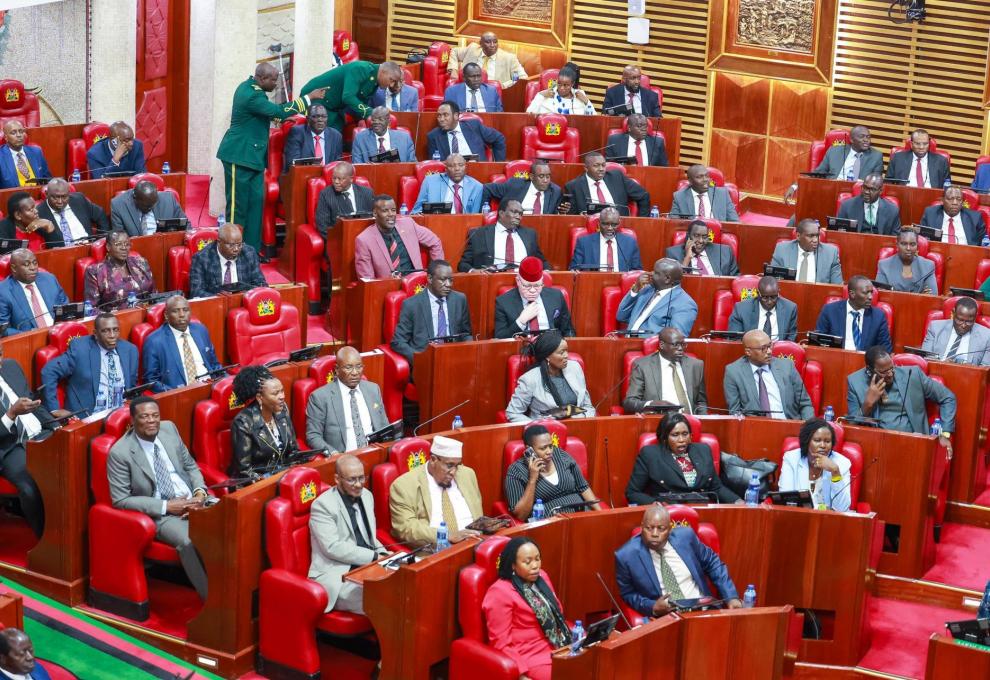
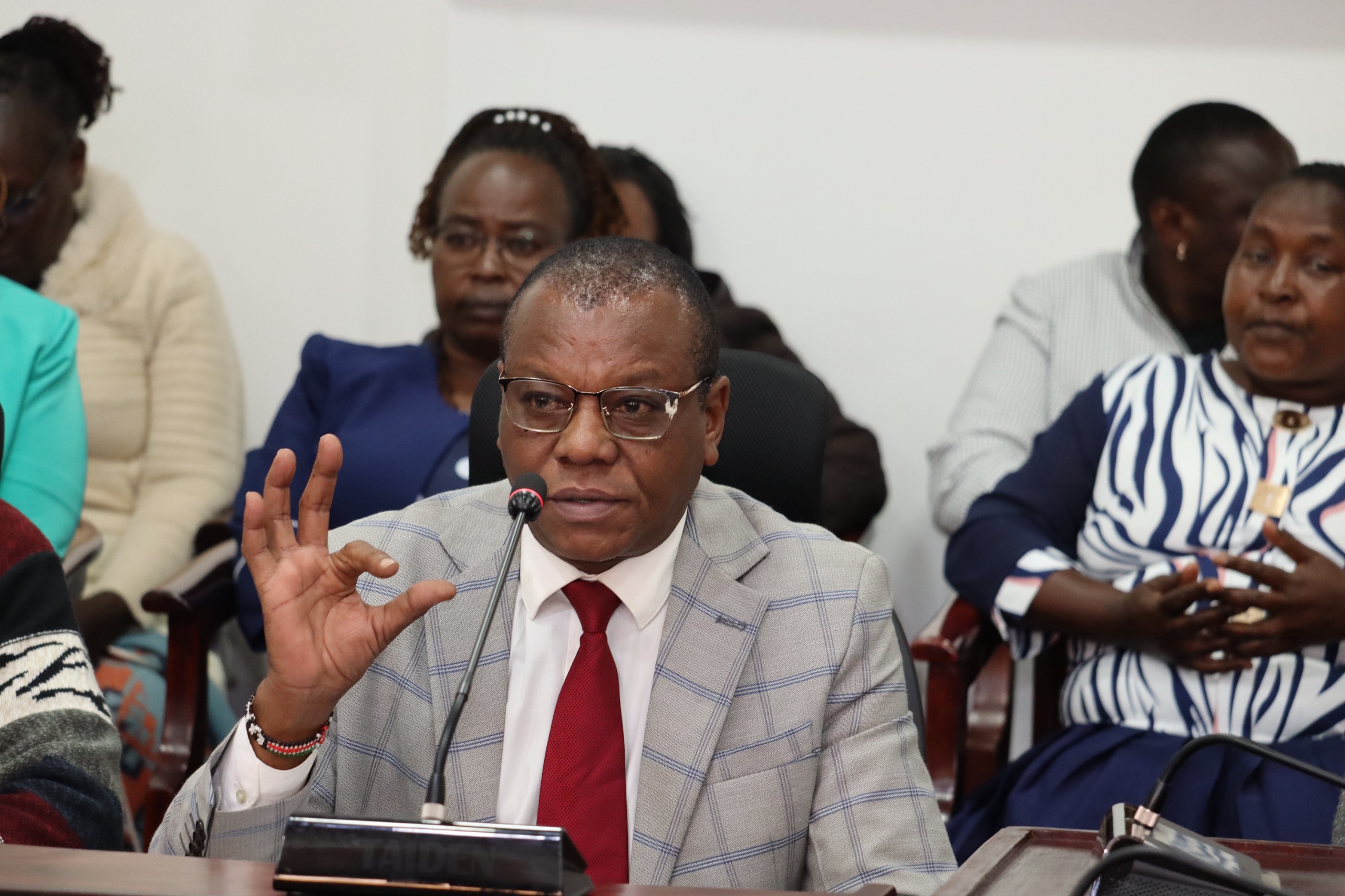
A long-running dispute over how devolution reshaped the careers and retirement benefits of Early Childhood Development Education (ECDE) officers burst into the open at the Senate today, as teachers-turned-county officers accused state institutions of abandoning them in a legal and financial grey zone.
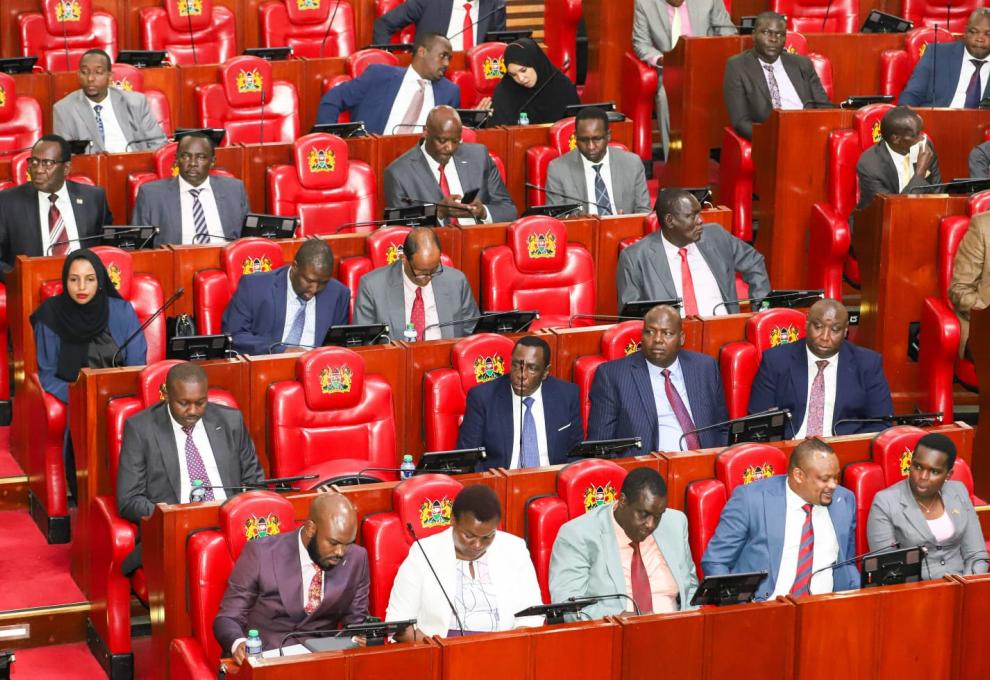
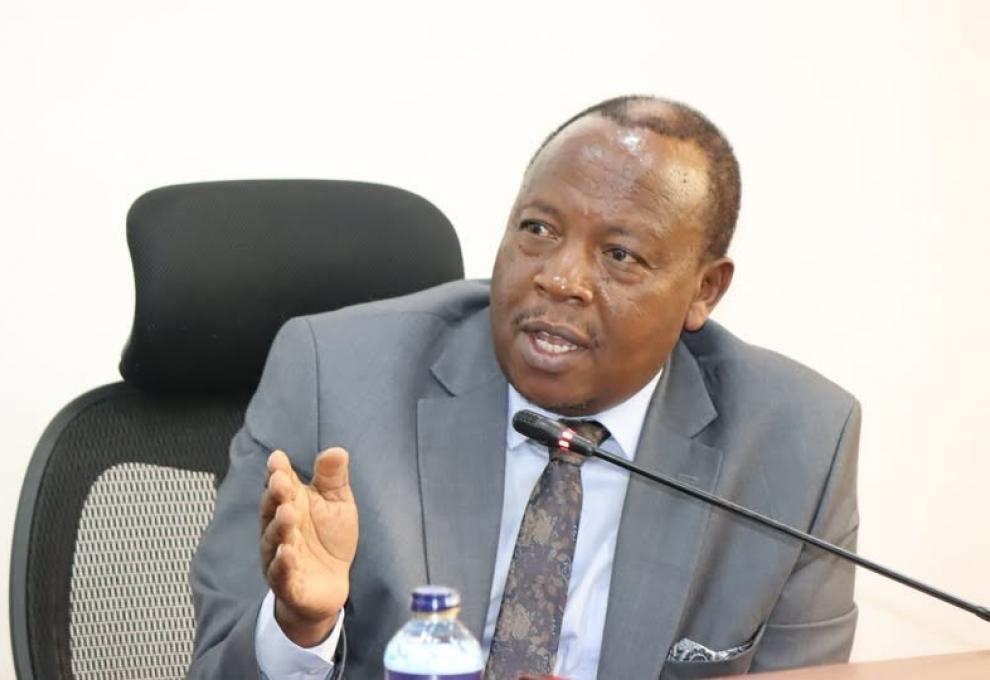
Appearing before the Senate Committee on Labour Social Welfare chaired by Sen Julius Murgor (West Pokot), representatives of 313 ECDE programme officers said they had suffered salary stagnation, pension deprivation and lost career progression after being moved from the Teachers Service Commission (TSC) to county governments.
The petition by lead petitioner Peter Makara challenges the recategorisation of 313 ECDE officers transferred from TSC to county governments in 2015, which it says disrupted their salary progression, pension rights and other employment benefits.
The officers were originally trained teachers employed by TSC on permanent and pensionable terms before being appointed as ECDE programme officers under the Ministry of Education. When their functions were devolved, they expected their employment to follow the function.
Instead, they say, TSC issued “last pay certificates” that effectively froze their pension rights at 2015 and cut them off from subsequent national salary and promotion reviews.
“Since 2015 we have not had any promotions other than just the normal annual increments,” Makara said. “We have had a salary freeze.”
At the crux of the dispute is a TSC release letter to county governments. It stated that TSC would continue paying the officers until 30 June 2015, after which the county governments would take over the function and their terms of service. It also gave officers the option of remaining with TSC as teachers and requesting deployment.
Some senators interpreted the letter as evidence that officers had freely chosen county employment rather than return to classroom teaching.
“We want to correct the petitioners that there was no force here,” one senator said. “You willingly went to the county.”
A retired ECDE officer strongly disagreed. She described the letter as “very malicious”, arguing that remaining in county service was not a choice she had made.
The consequences, she told the committee, have followed her into retirement. She retired on a basic salary of KSh67,000 but receives a monthly pension of KSh35,000. A colleague who remained under TSC retired on KSh64,000 and receives KSh47,000.
Treasury officials, she said, acknowledged a problem with her records but directed her to TSC for correction.
Meanwhile, some counties enrolled officers in contributory pension schemes such as CPF and LAPTRUST, while others told them they could not join because they remained members of the national non-contributory scheme. The officers say the resulting uncertainty could leave some retirees navigating two pension systems.
Senators said the dispute appeared to extend beyond any one county and urged the petitioners to focus their demands on concrete remedies for pay, career progression, gratuity and pensions.
Committee members, among them Sen Cystal Asige (Vice-chair), Sen (Rtd) Justice Stewart Madzayo (Kilifi), Sen Joe Nyutu (Murang’a), Sen Seki Lenku (Kajiado), Sen Miraji Abdullahi and Sen Beth Syengo resolved to invite the TSC, the Intergovernmental Relations Technical Committee, Council of Governors, Retirement Benefits Authority, Director of Pensions (National Treasury) and county pension fund representatives to explain how the transition was handled and what can now be done to address its consequences.
The aim, senators said, is not to reverse devolution but to establish what went wrong during the transition and how the damage can be repaired.
For the officers, who say they have made repeated trips to Parliament, the hearing offered a measure of hope.
“We believe that this is the right place where our prayers have been received and heard,” Makara said. “We are very positive that you will assist us.”
Whether that hope translates into concrete reforms – recalculated pensions, restored years of service and a clear framework for devolved staff – now lies with the institutions the Senate has promised to bring to the table.