 What's on
 Things to Do
 Plan your Visit
 Media Rules and Filming
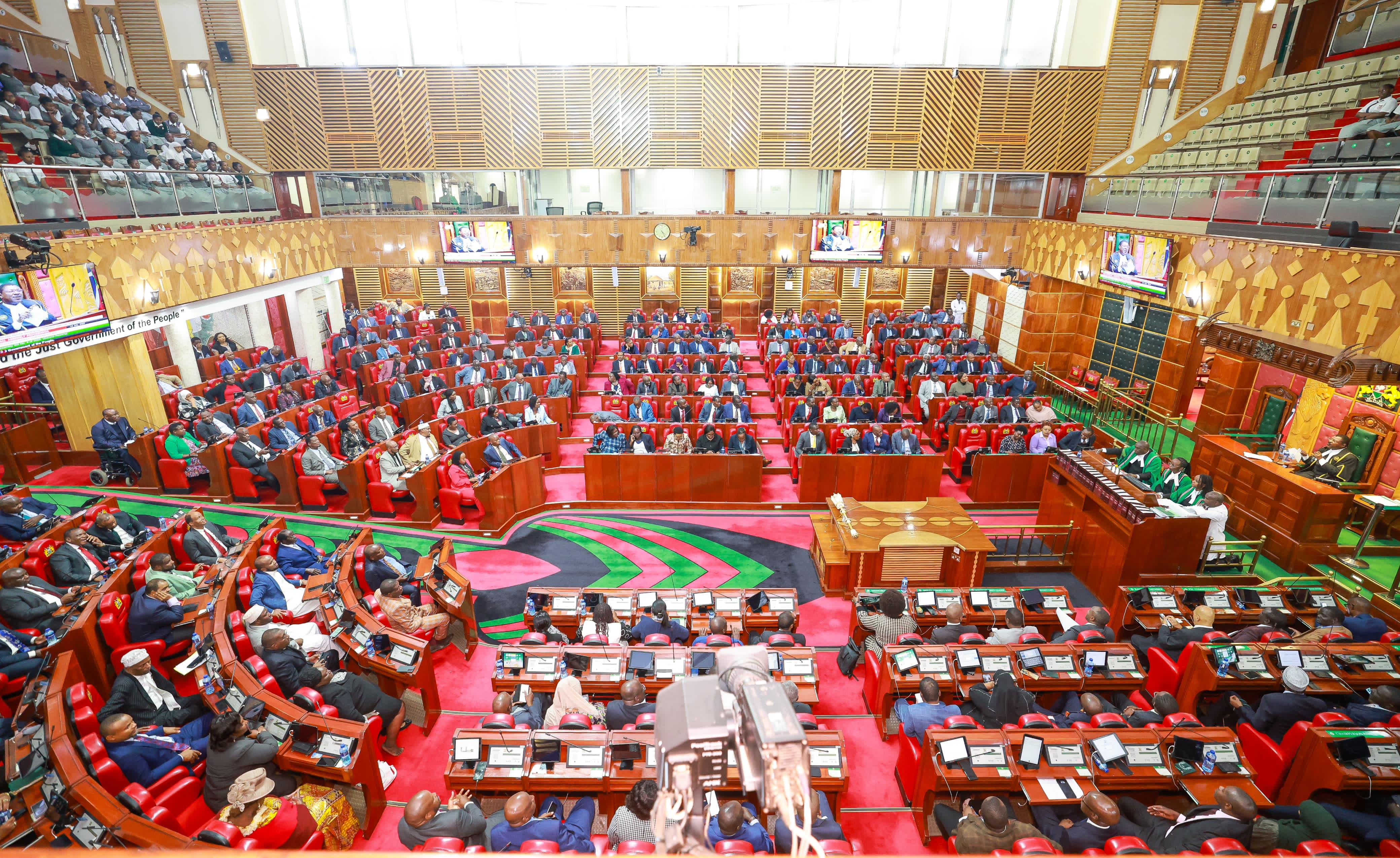
𝟐𝟎𝟐𝟔 𝐁𝐔𝐃𝐆𝐄𝐓 𝐏𝐎𝐋𝐈𝐂𝐘 𝐒𝐓𝐀𝐓𝐄𝐌𝐄𝐍𝐓 𝐀𝐏𝐏𝐑𝐎𝐕𝐄𝐃; 𝐂𝐈𝐓𝐈𝐙𝐄𝐍𝐒 𝐓𝐎 𝐁𝐄𝐍𝐄𝐅𝐈𝐓 𝐅𝐑𝐎𝐌 𝐒𝐓𝐑𝐀𝐓𝐄𝐆𝐈𝐂 𝐀𝐋𝐋𝐎𝐂𝐀𝐓𝐈𝐎𝐍𝐒


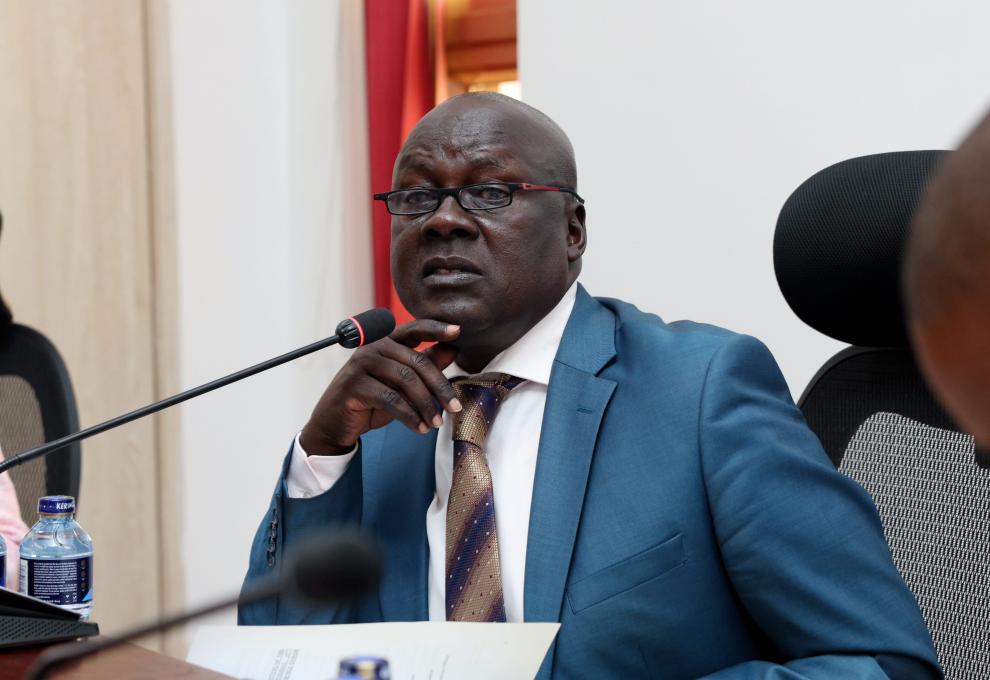
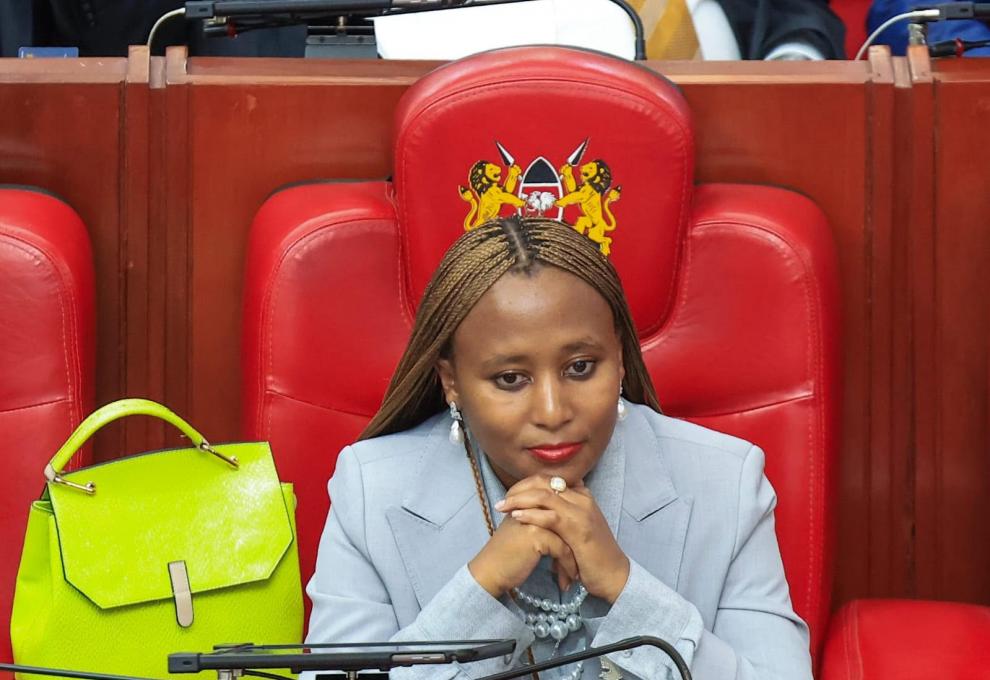
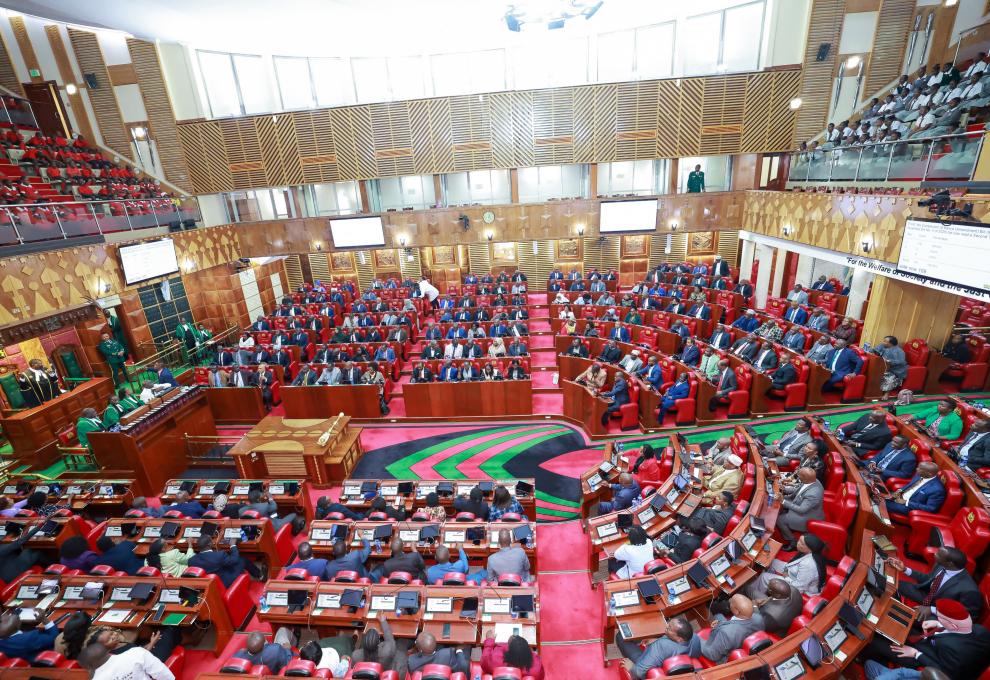
The National Assembly has given the green light to the 2026 Budget Policy Statement (BPS), setting the stage for the next financial year with a total national government budget ceiling of Kshs. 2.878 trillion. Lawmakers not only approved the funding ceilings but also adopted crucial policy resolutions aimed at improving efficiency, transparency, and service delivery across sectors.
Under the new allocations, the Executive branch will receive Kshs. 2.797 trillion, including Kshs. 9 billion for the Office of the Auditor General to strengthen oversight. Parliament has been allocated Kshs. 50.8 billion to support legislative duties, while the Judiciary will receive Kshs. 30.4 billion to ensure timely and effective dispensation of justice. County governments are set to share Kshs. 420 billion in equitable allocations, with an additional Kshs. 75.7 billion earmarked for county-specific projects.
The BPS also lays out strategic priorities through policy including restructuring non-viable State-Owned Enterprises (SOEs) to optimize resources, publishing exchequer releases quarterly for better financial oversight, and prioritizing funding for ongoing projects under the Bottom-Up Economic Transformation Agenda. The government also plans to integrate financial literacy programs into initiatives supporting Micro, Small, and Medium Enterprises (MSMEs) and youth empowerment schemes.
In infrastructure, the Budget provides for improved transparency in electrification projects by separating constituency and public institution votes. Land and water policies will be reviewed to align with constitutional provisions and enhance revenue collection through efficient Appropriation-in-Aid systems. In the environment and tourism sectors, authorities are mandated to strengthen crisis response frameworks, ensuring safety and effective service delivery to citizens and visitors alike.
The social sector is set to benefit from initiatives such as the operationalization of the Primary Health Care Services Charter, finalization of placement policies in technical and basic education, and the implementation of a National Child Online Protection Framework. Sports, creative economy, and cultural sectors will see renewed focus through policy and legislative review, including the Creative Economy Bill, 2026.
Governance and public administration are also a priority, with planned phased police recruitment tied to operational resources and a ban on public funding for structural modifications in leased premises for the Office of the Prime Cabinet Secretary. These measures aim to strengthen fiscal discipline while enhancing service delivery.
Following approval, the Budget Policy Statement and accompanying resolutions will provide the fiscal foundation for the 2026/2027 national budget and guide the preparation of detailed spending plans to be presented to Parliament in the coming months.