
 What's on
 Things to Do
 Plan your Visit
 Media Rules and Filming
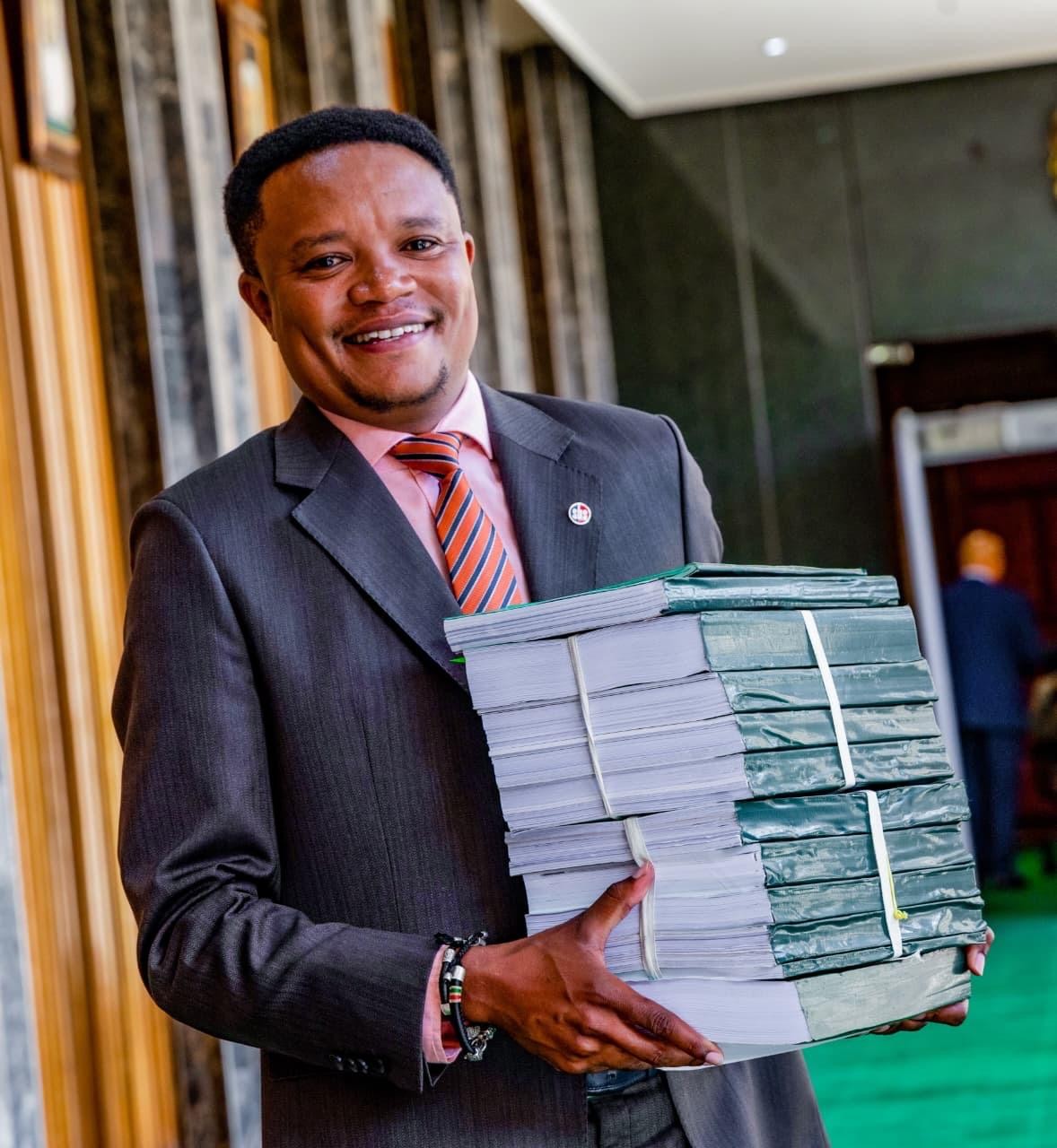
𝐇𝐎𝐔𝐒𝐄 𝐂𝐎𝐌𝐌𝐈𝐓𝐓𝐄𝐄 𝐓𝐀𝐁𝐋𝐄𝐒 𝐅𝐈𝐍𝐀𝐍𝐂𝐄 𝐁𝐈𝐋𝐋 𝐑𝐄𝐏𝐎𝐑𝐓, 𝐒𝐄𝐄𝐊𝐒 𝐌𝐈𝐃𝐃𝐋𝐄 𝐆𝐑𝐎𝐔𝐍𝐃 𝐁𝐄𝐓𝐖𝐄𝐄𝐍 𝐑𝐄𝐕𝐄𝐍𝐔𝐄 𝐌𝐎𝐁𝐈𝐋𝐈𝐙𝐀𝐓𝐈𝐎𝐍 𝐀𝐍𝐃 𝐓𝐀𝐗𝐏𝐀𝐘𝐄𝐑 𝐂𝐔𝐒𝐇𝐈𝐎𝐍𝐈𝐍𝐆


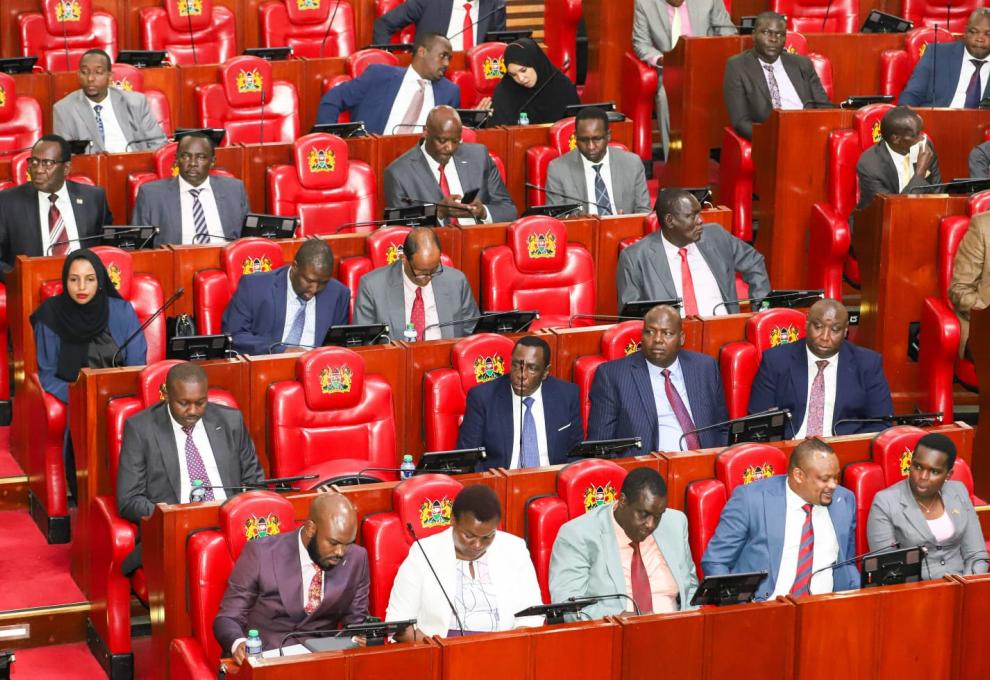
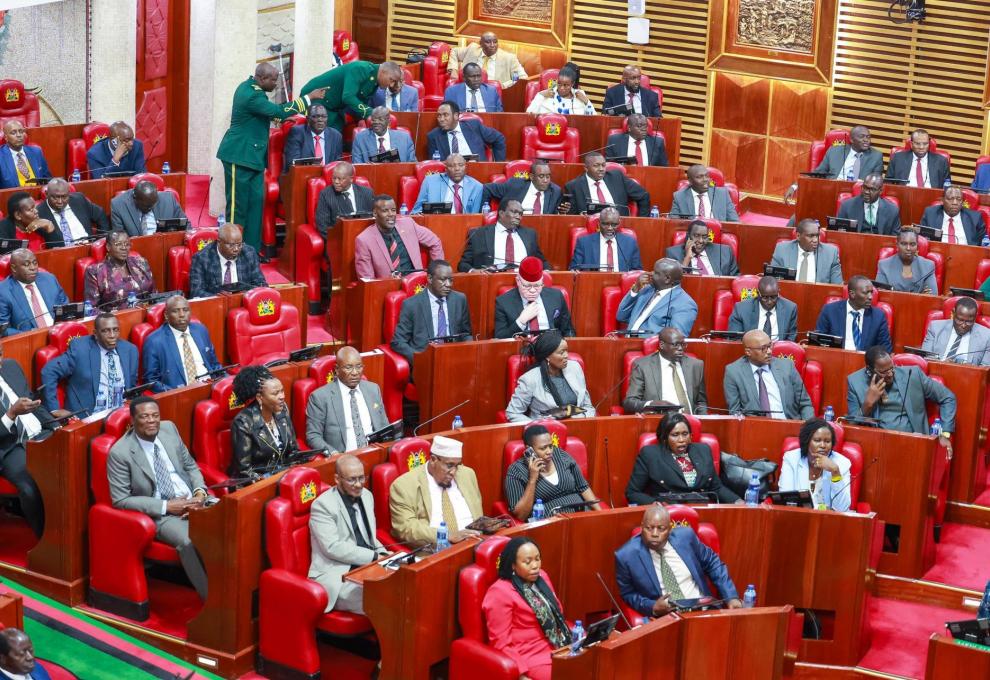
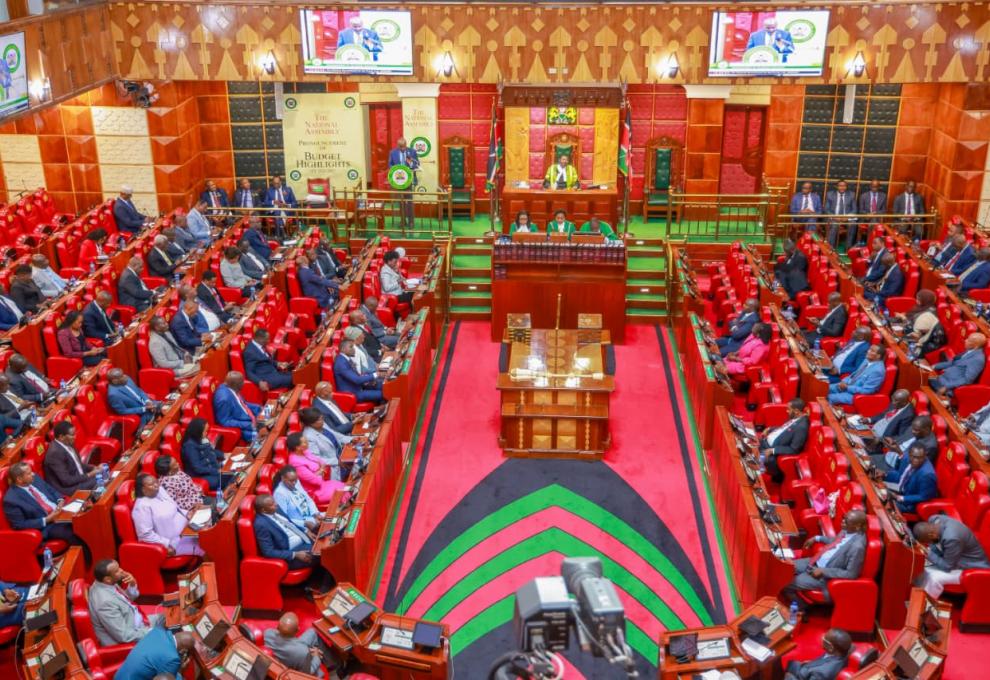
The Departmental Committee on Finance and National Planning yesterday tabled its highly anticipated report on the Finance Bill, 2026, recommending that the National Assembly approves its recommendations with several critical amendments.
The Bill primarily seeks to simplify tax laws, address ambiguities, strengthen enforcement, and align Kenya’s tax framework with international standards. Key measures include improved taxation of trusts, virtual assets, non-residents, and digital transactions, alongside rationalisation of tax incentives and enhanced compliance through electronic systems.
The report was tabled following a rigorous public participation process that included receiving memoranda from over 100,000 respondents, and conducting public hearing forums across thirteen counties to gather the views of the members of the public.
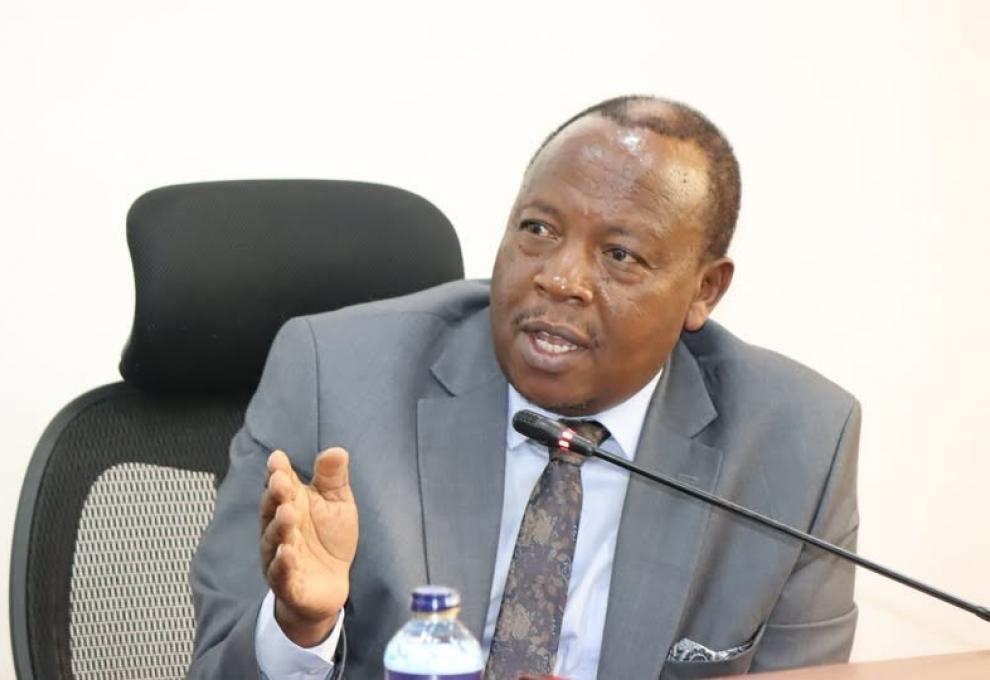
During the commencement of the Bill’s Second Reading the Chairperson of the Departmental Committee on Finance and National Planning Hon. Kuria Kimani recounted the robust public participation exercise the Committee undertook on the proposed law.
“In compliance with Article 118(b) of the Constitution and Standing Order 127(3), the Committee invited stakeholders for engagement sessions, which were held on diverse dates between Thursday, 21st to Friday, 29th May 2026”, he noted.
He further informed the House that the Committee on diverse dates between Tuesday, 2nd and Monday, 8th June 2026, conducted public hearing forums in thirteen (13) Counties, namely; Wajir, Kiambu, Vihiga, Nyamira, Bomet, Makueni, Siaya, Taita Taveta, Nairobi, Turkana, Kilifi, Tana River and Mombasa Counties, where the lawmakers received views from the members of the public.
Additionally, Hon. Kimani told the House that the Committee held consultations with relevant Government agencies from Tuesday, 9th to Friday, 12th June 2026 to deliberate on various provisions in the Bill.
Reflecting on the core philosophy behind the Committee's extensive reviews, Hon. Kuria Kimani emphasized the delicate fiscal tightrope the lawmakers had to walk.
“Throughout this process, the Committee was guided by the need to balance revenue mobilization through administrative reforms with the imperative to support economic recovery, safeguard taxpayers’ rights and promote sustainable growth," the Chairperson stated.
To ensure this balance, the Committee took a firm stance against tax administration overreach, recommending the deletion of a proposal that would have allowed the Kenya Revenue Authority (KRA) to issue agency notices during active tax disputes, objections, or court proceedings.
Lawmakers observed that such a measure would severely affect taxpayer cash flows, trigger operational disruptions, and undermine the constitutional right to fair administrative action.
In a further bid to insulate businesses and individual taxpayers from harsh statutory timelines, the Committee pushed back the Bill’s proposal to include weekends and public holidays when computing periods for filing tax objections and appeals.
The Committee held that this change would unfairly compress the time available to taxpayers and increase the risk of procedural defaults.
Corporate entities also received a significant reprieve with the Committee’s rejection of the Bill’s proposal to have 60 per cent minimum deemed dividend distribution threshold on undistributed income. Majority of the stakeholders who appeared before the Committee had urged the Committee to scale down the proposed threshold in the Bill.
Noting that such a high requirement would place undue pressure on enterprises and limit their ability to retain earnings for investment, the Committee recommended the moderation of the threshold downwards to balance revenue goals with business sustainability. The Committee is expected to move an amendment recommended a new threshold.
Additionally, while the Bill originally pushed for shorter tax filing timelines, the Committee recommended practical amendments providing individuals with four months and corporates with six months to file their annual tax returns.
The Committee also prioritized shielding the domestic manufacturing sector and consumers from escalating costs by insisting on retaining the zero-rated Value Added Tax (VAT) status for several essential commodities.
These protected items include locally assembled and manufactured mobile phones, electric motorcycles, bicycles, buses, solar and lithium-ion batteries, sugarcane transportation, and raw materials used in animal feeds.
Reversing their zero-rated status to an exempt status would have spiked production costs, discouraged green investments, and ruined predictability in the tax regime.
Additionally, the Committee rejected a proposal to shift the excise duty tax point for mobile phones to the moment of network activation, citing massive compliance challenges and consumer confusion.
It also rejected a proposal to extend mortgage interest relief to Central Bank of Kenya employees, noting that they already enjoy preferential loan rates and further tax relief would introduce inequality into the tax system.
While keeping the taxpayer cushioned, the report supported progressive measures aimed at formalizing historically elusive sectors and boosting revenue collection.
The Committee endorsed a new 1.5 percent withholding tax on scrap metal sales to improve transaction traceability in the cash-based, informal sector, alongside a simplified compliance framework requiring non-resident landlords to register and account for taxes on rental income.
It also backed a proposed one-year tax amnesty program set to take effect on July 1, 2026, which will waive penalties and interest accrued up to December 31, 2025, provided the principal tax is paid by June 2027.
This move is modeled on the outstanding success of the 2023 amnesty program, which brought in Kshs. 43.9 billion from over one million applicants.
However, Hon. Kimani cautioned against treating relief measures as a permanent fixture of the tax calendar.
“ Hon. Speaker, the Committee however noted that repeated use of tax amnesty programmes may create moral hazard by weakening the culture of voluntary compliance, as some taxpayers may delay payment of taxes in anticipation of future waivers on penalties and interest," the Molo lawmaker cautioned.
He further maintained that the long-term success of the initiative will depend on continued taxpayer engagement, strengthened compliance measures, and effective enforcement following the conclusion of the amnesty period.
To guarantee that the tax authority is empowered to enforce tax compliance once the amnesty concludes, the Committee recommended robust amendments to the Tax Procedures Act to give the Kenya Revenue Authority (KRA) uniform civil debt recovery mechanisms for fees and levies collected on behalf of other government entities.
The Committee’s report reflects the undertakings made by the lawmakers during the stakeholder engagements and public hearings, that their view would help shape the taxation framework for the Financial Year 2026/27.
Debate on the Committee continues today.
The report of the Committee can be accessed through the link provided- https://www.parliament.go.ke/sites/default/files/2026-06/Report%20of%20…
𝐇𝐎𝐔𝐒𝐄 𝐂𝐎𝐌𝐌𝐈𝐓𝐓𝐄𝐄 𝐓𝐀𝐁𝐋𝐄𝐒 𝐅𝐈𝐍𝐀𝐍𝐂𝐄 𝐁𝐈𝐋𝐋 𝐑𝐄𝐏𝐎𝐑𝐓, 𝐒𝐄𝐄𝐊𝐒 𝐌𝐈𝐃𝐃𝐋𝐄 𝐆𝐑𝐎𝐔𝐍𝐃 𝐁𝐄𝐓𝐖𝐄𝐄𝐍 𝐑𝐄𝐕𝐄𝐍𝐔𝐄 𝐌𝐎𝐁𝐈𝐋𝐈𝐙𝐀𝐓𝐈𝐎𝐍 𝐀𝐍𝐃 𝐓𝐀𝐗𝐏𝐀𝐘𝐄𝐑 𝐂𝐔𝐒𝐇𝐈𝐎𝐍𝐈𝐍𝐆
The Departmental Committee on Finance and National Planning yesterday tabled its highly anticipated report on the Finance Bill, 2026, recommending that the National Assembly approves its recommendations with several critical amendments.
The Bill primarily seeks to simplify tax laws, address ambiguities, strengthen enforcement, and align Kenya’s tax framework with international standards. Key measures include improved taxation of trusts, virtual assets, non-residents, and digital transactions, alongside rationalisation of tax incentives and enhanced compliance through electronic systems.
The report was tabled following a rigorous public participation process that included receiving memoranda from over 100,000 respondents, and conducting public hearing forums across thirteen counties to gather the views of the members of the public.
During the commencement of the Bill’s Second Reading the Chairperson of the Departmental Committee on Finance and National Planning Hon. Kuria Kimani recounted the robust public participation exercise the Committee undertook on the proposed law.
“In compliance with Article 118(b) of the Constitution and Standing Order 127(3), the Committee invited stakeholders for engagement sessions, which were held on diverse dates between Thursday, 21st to Friday, 29th May 2026”, he noted.
He further informed the House that the Committee on diverse dates between Tuesday, 2nd and Monday, 8th June 2026, conducted public hearing forums in thirteen (13) Counties, namely; Wajir, Kiambu, Vihiga, Nyamira, Bomet, Makueni, Siaya, Taita Taveta, Nairobi, Turkana, Kilifi, Tana River and Mombasa Counties, where the lawmakers received views from the members of the public.
Additionally, Hon. Kimani told the House that the Committee held consultations with relevant Government agencies from Tuesday, 9th to Friday, 12th June 2026 to deliberate on various provisions in the Bill.
Reflecting on the core philosophy behind the Committee's extensive reviews, Hon. Kuria Kimani emphasized the delicate fiscal tightrope the lawmakers had to walk.
“Throughout this process, the Committee was guided by the need to balance revenue mobilization through administrative reforms with the imperative to support economic recovery, safeguard taxpayers’ rights and promote sustainable growth," the Chairperson stated.
To ensure this balance, the Committee took a firm stance against tax administration overreach, recommending the deletion of a proposal that would have allowed the Kenya Revenue Authority (KRA) to issue agency notices during active tax disputes, objections, or court proceedings.
Lawmakers observed that such a measure would severely affect taxpayer cash flows, trigger operational disruptions, and undermine the constitutional right to fair administrative action.
In a further bid to insulate businesses and individual taxpayers from harsh statutory timelines, the Committee pushed back the Bill’s proposal to include weekends and public holidays when computing periods for filing tax objections and appeals.
The Committee held that this change would unfairly compress the time available to taxpayers and increase the risk of procedural defaults.
Corporate entities also received a significant reprieve with the Committee’s rejection of the Bill’s proposal to have 60 per cent minimum deemed dividend distribution threshold on undistributed income. Majority of the stakeholders who appeared before the Committee had urged the Committee to scale down the proposed threshold in the Bill.
Noting that such a high requirement would place undue pressure on enterprises and limit their ability to retain earnings for investment, the Committee recommended the moderation of the threshold downwards to balance revenue goals with business sustainability. The Committee is expected to move an amendment recommended a new threshold.
Additionally, while the Bill originally pushed for shorter tax filing timelines, the Committee recommended practical amendments providing individuals with four months and corporates with six months to file their annual tax returns.
The Committee also prioritized shielding the domestic manufacturing sector and consumers from escalating costs by insisting on retaining the zero-rated Value Added Tax (VAT) status for several essential commodities.
These protected items include locally assembled and manufactured mobile phones, electric motorcycles, bicycles, buses, solar and lithium-ion batteries, sugarcane transportation, and raw materials used in animal feeds.
Reversing their zero-rated status to an exempt status would have spiked production costs, discouraged green investments, and ruined predictability in the tax regime.
Additionally, the Committee rejected a proposal to shift the excise duty tax point for mobile phones to the moment of network activation, citing massive compliance challenges and consumer confusion.
It also rejected a proposal to extend mortgage interest relief to Central Bank of Kenya employees, noting that they already enjoy preferential loan rates and further tax relief would introduce inequality into the tax system.
While keeping the taxpayer cushioned, the report supported progressive measures aimed at formalizing historically elusive sectors and boosting revenue collection.
The Committee endorsed a new 1.5 percent withholding tax on scrap metal sales to improve transaction traceability in the cash-based, informal sector, alongside a simplified compliance framework requiring non-resident landlords to register and account for taxes on rental income.
It also backed a proposed one-year tax amnesty program set to take effect on July 1, 2026, which will waive penalties and interest accrued up to December 31, 2025, provided the principal tax is paid by June 2027.
This move is modeled on the outstanding success of the 2023 amnesty program, which brought in Kshs. 43.9 billion from over one million applicants.
However, Hon. Kimani cautioned against treating relief measures as a permanent fixture of the tax calendar.
“ Hon. Speaker, the Committee however noted that repeated use of tax amnesty programmes may create moral hazard by weakening the culture of voluntary compliance, as some taxpayers may delay payment of taxes in anticipation of future waivers on penalties and interest," the Molo lawmaker cautioned.
He further maintained that the long-term success of the initiative will depend on continued taxpayer engagement, strengthened compliance measures, and effective enforcement following the conclusion of the amnesty period.
To guarantee that the tax authority is empowered to enforce tax compliance once the amnesty concludes, the Committee recommended robust amendments to the Tax Procedures Act to give the Kenya Revenue Authority (KRA) uniform civil debt recovery mechanisms for fees and levies collected on behalf of other government entities.
The Committee’s report reflects the undertakings made by the lawmakers during the stakeholder engagements and public hearings, that their view would help shape the taxation framework for the Financial Year 2026/27.
Debate on the Committee continues today.
The report of the Committee can be accessed through the link provided- https://www.parliament.go.ke/sites/default/files/2026-06/Report%20of%20…