
 What's on
 Things to Do
 Plan your Visit
 Media Rules and Filming
NATIONAL ASSEMBLY APPROVES SRC REGULATIONS TO STREAMLINE PUBLIC SERVICE PAY, REIN IN WAGE BILL


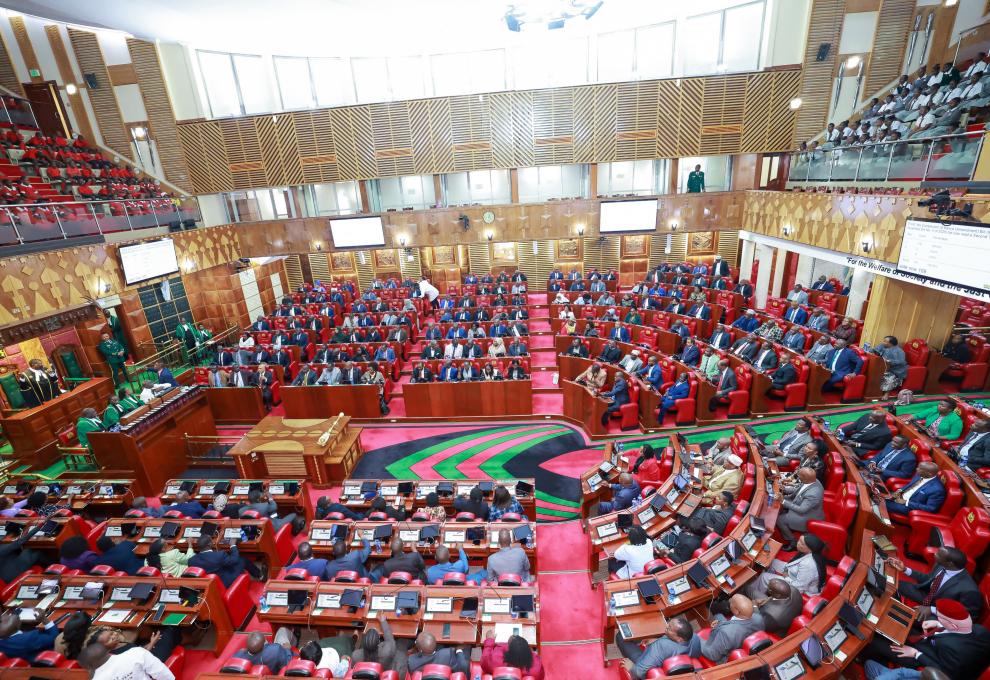
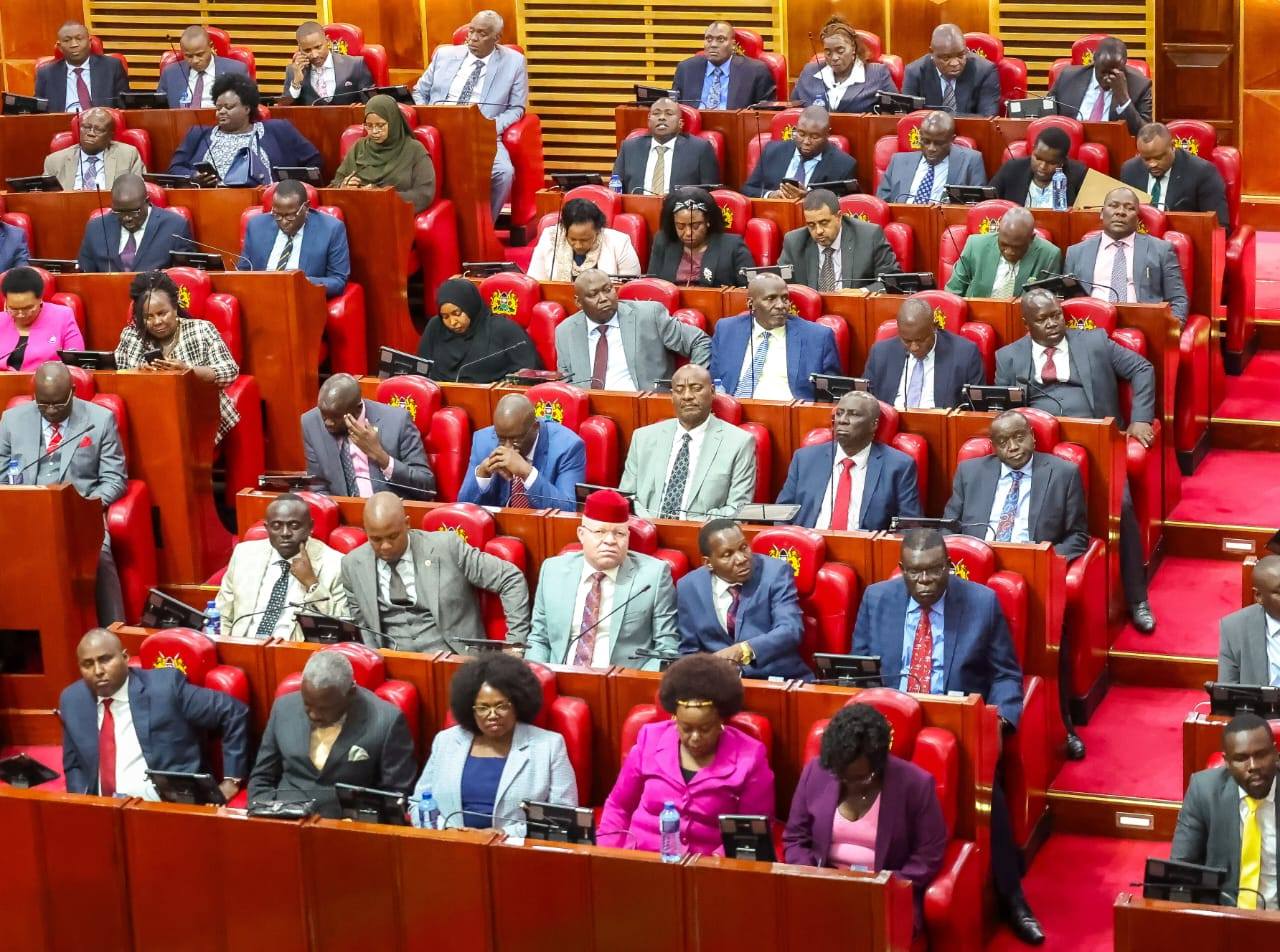
The National Assembly has approved the Draft Salaries and Remuneration Commission (Remuneration and Benefits of State and Other Public Officers) Regulations, 2025, a move lawmakers say will usher in fairness, transparency and fiscal discipline across the public sector.
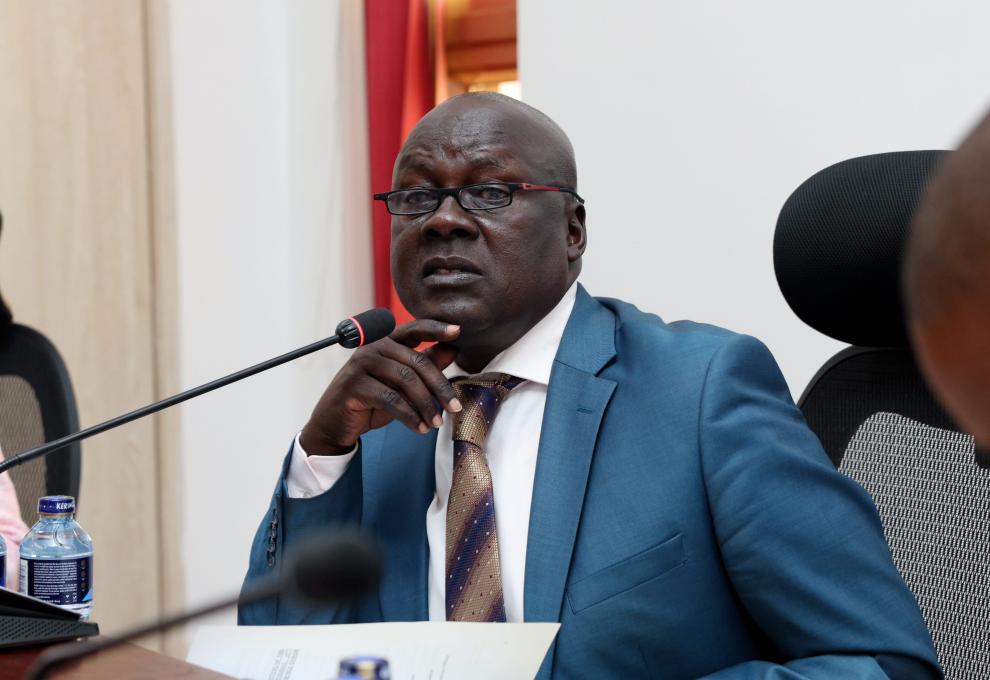
Moving the motion, Committee on Delegated Legislation Chairperson, Hon. Samwel Chepkonga told the House the revised regulations had cured past legal and constitutional defects that led to their earlier annulment. “We found that the regulation are constitutional, in accordance with the enabling Act and the Statutory Instruments Act,” adding that the framework would allow the Salaries and Remuneration Commission (SRC) to carry out their mandate in a manner that is fair, transparent and responsible.
According to the Committee’s report the regulations’ central objective is to harmonise pay, eliminate arbitrary salary decisions and align public sector compensation with Kenya’s budgetary realities. “The Regulations seek to remove the subjectivity that has always been the problem in salary negotiations,” Hon. Chepkonga noted, particularly in Collective Bargaining Agreements.
Mathare MP, Hon. Anthony Oluoch said the framework provides “clear principles and criteria for determining remuneration and benefits,” while embedding constitutional safeguards. “In light of the compliance, these Regulations now meet the requirements of both the Constitution and the Statutory Instruments Act,” he said. “I urge that this House proceeds to approve these Regulations.”
Lawmakers across the aisle rallied behind the reforms, citing their potential to streamline a historically fragmented pay structure. Nyando MP, Hon. Jared Okello described the new regime as a corrective measure to long-standing inequities. “There has been a haphazard way of apportionment of salaries, Public officers have had to undergo a lot of disparities,” he said. “The Regulations create a level of uniformity and certainty.”
Nairobi County MP Hon. Esther Passaris welcomed the structured approach, calling it “essential in managing the public wage bill and ensuring consistency across all Government entities,” while urging balance to protect worker morale. “A fair wage is not a cost; it is an investment in dignity, service delivery and national stability,” she said.
The approved regulations introduce structured job evaluation, standardised pay scales and clearer guidelines on allowances long seen as a loophole for inflated compensation. They also align salary reviews with national planning cycles, a move expected to improve fiscal predictability.
MPS BACK SRC REGULATIONS TO STREAMLINE PUBLIC SERVICE PAY, REIN IN WAGE BILL
The National Assembly has approved the Draft Salaries and Remuneration Commission (Remuneration and Benefits of State and Other Public Officers) Regulations, 2025, a move lawmakers say will usher in fairness, transparency and fiscal discipline across the public sector.
Moving the motion, Committee on Delegated Legislation Chairperson, Hon. Samwel Chepkonga told the House the revised regulations had cured past legal and constitutional defects that led to their earlier annulment. “We found that the regulation are constitutional, in accordance with the enabling Act and the Statutory Instruments Act,” adding that the framework would allow the Salaries and Remuneration Commission (SRC) to carry out their mandate in a manner that is fair, transparent and responsible.
According to the Committee’s report the regulations’ central objective is to harmonise pay, eliminate arbitrary salary decisions and align public sector compensation with Kenya’s budgetary realities. “The Regulations seek to remove the subjectivity that has always been the problem in salary negotiations,” Hon. Chepkonga noted, particularly in Collective Bargaining Agreements.
Mathare MP, Hon. Anthony Oluoch said the framework provides “clear principles and criteria for determining remuneration and benefits,” while embedding constitutional safeguards. “In light of the compliance, these Regulations now meet the requirements of both the Constitution and the Statutory Instruments Act,” he said. “I urge that this House proceeds to approve these Regulations.”
Lawmakers across the aisle rallied behind the reforms, citing their potential to streamline a historically fragmented pay structure. Nyando MP, Hon. Jared Okello described the new regime as a corrective measure to long-standing inequities. “There has been a haphazard way of apportionment of salaries, Public officers have had to undergo a lot of disparities,” he said. “The Regulations create a level of uniformity and certainty.”
Nairobi County MP Hon. Esther Passaris welcomed the structured approach, calling it “essential in managing the public wage bill and ensuring consistency across all Government entities,” while urging balance to protect worker morale. “A fair wage is not a cost; it is an investment in dignity, service delivery and national stability,” she said.
The approved regulations introduce structured job evaluation, standardised pay scales and clearer guidelines on allowances long seen as a loophole for inflated compensation. They also align salary reviews with national planning cycles, a move expected to improve fiscal predictability.