
 What's on
 Things to Do
 Plan your Visit
 Media Rules and Filming
Stakeholders seek assurance on Data Protection and Job Security as CS Mbadi defends Safaricom Divestiture before lawmakers


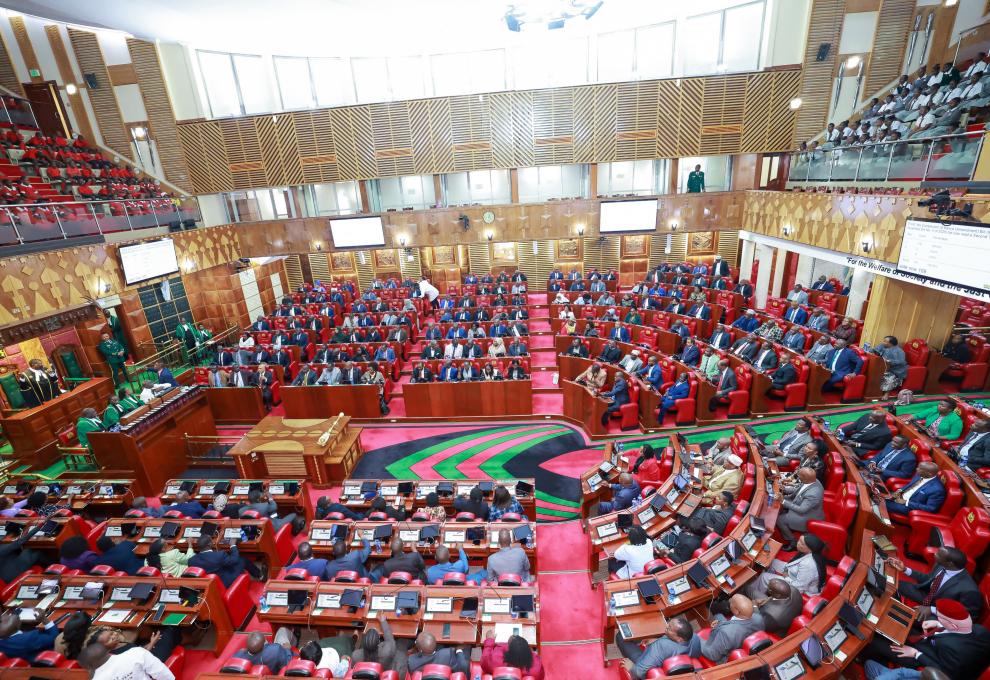
Stakeholders appearing before a joint sitting of the Departmental Committee on Finance and National Planning and the Select Committee on Public Debt and Privatization are seeking government assurances regarding the safety of data held by Safaricom.
The concerns come as the House considers the proposed partial divestiture of the government’s shareholding in the telecommunications giant.
During submissions to the Committee—which has been conducting engagements since Tuesday—stakeholders, including Safaricom dealers and telecommunications players, raised fears of job losses and business closures should the deal be approved.
If ratified, the partial divestiture is expected to propel Vodacom to a majority shareholding, potentially granting the firm control over Safaricom.
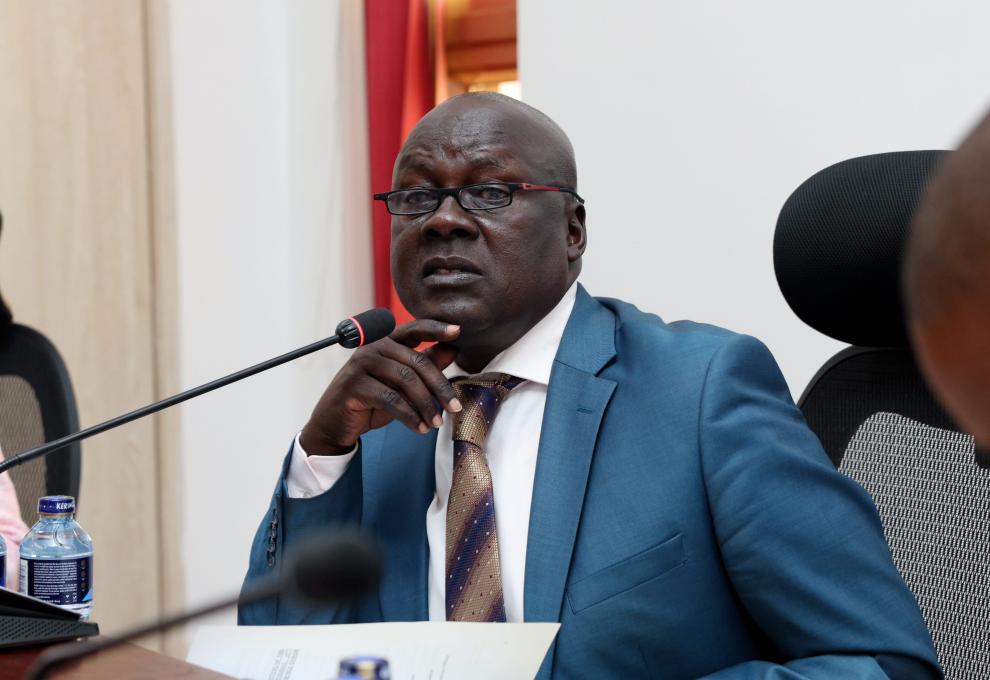
Appearing before the committee on Tuesday, National Treasury Cabinet Secretary Hon. John Mbadi defended the decision to offload a portion of the government's stake. He noted that the proceeds are intended to address critical infrastructure needs and sought to allay fears that the funds would be used to settle pending bills, insisting the capital would be strictly ring-fenced.
"This Fund is not meant to cure inequality in our regions. It is meant to take out commercially viable projects from our national budget so that those projects that are not commercially viable can continue to enjoy funding from the government," Mr. Mbadi said.
The CS pledged that the list of projects funded through the National Infrastructure Fund would be tabled in the National Assembly for approval.
He informed the committee that the capital would support the construction of over 2,500 kilometers of roads, 50 mega-dams, and various power generation projects.
The CS reiterated that the money would serve as seed capital to spur economic growth rather than supporting the recurrent budget.
"The Fund will be used to derisk and crowd in private sector to focus on funding infrastructure projects that have commercial viability,” the Cabinet Secretary stated.
Addressing why Vodacom was identified as the preferred buyer, Hon. Mbadi cited the firm’s long-standing partnership with Safaricom and its financial capacity to ensure business continuity.
He further disclosed that the KES 34 share price was determined through rigorous market and income valuation methods, dismissing concerns that the shares were undervalued.
To ensure transparency, the National Treasury confirmed that a Limited Liability Company (LLC) has already been established to manage the Fund.
Regarding data sovereignty and job security, the CS assured lawmakers that national data would remain secure and that the governance structure would retain two government representatives on the Safaricom board.
On their part, the Law Society of Kenya (LSK), represented by Vice President Mwaura Kabata, argued that the Sessional Paper lacks clarity on how proceeds will be applied and whether they will be protected under a specific regulatory framework.
The LSK contended that the sale could undermine Kenya’s strategic leverage over mobile money systems and national data.
“Data management, governance and control of such a critical infrastructure haven’t been assessed to give assurances that the data governance and security protocols will remain under stringent Kenyan oversight and not be subject to laws of the foreign parent's jurisdiction”, Mr. Mwaura pointed out.
The Society emphasized that Safaricom is a strategic national asset held in trust for the public, meaning any divestiture carries profound fiscal, legal, and sovereignty implications.
Safaricom dealers focused on the stability of the digital economy, emphasizing the need for a transition that does not disadvantage local partners or disrupt the M-Pesa ecosystem.
“Hon. Chair, there’s need for a stable transition that does not disrupt the existing Safaricom ecosystem, which millions of Kenyans depend on for services like M-Pesa”, their representative Esther Muchemi stated.
The dealers also called for the continuation of corporate social responsibility initiatives, such as the Safaricom Foundation, under the new ownership structure.
Meanwhile, Safaricom’s competitor, Airtel, expressed principled support for the divestiture. Represented by Legal and Regulatory Director Mr. Joy Nyaga, Airtel noted their support is contingent on the understanding that external contractual obligations will remain unchanged.
However, they revealed they had sought government assurance on this matter and urged regulators to maintain a level playing field.
The Institute of Certified Public Accountants of Kenya (ICPAK) supported the divestiture move, noting it provides non-debt financing for infrastructure and could bolster foreign exchange reserves since the settlement is in US dollars.
To mitigate risks, ICPAK proposed employment safeguards extending beyond the proposed three years and enhanced board oversight.
Adding their voice to the matter, Technology Service Providers of Kenya (TESPOK) argued that the divestiture process must not reduce regulatory oversight or entrench market dominance.
They advocated for reinvesting proceeds into universal broadband and cybersecurity, suggesting "golden share" provisions to protect national security.