
 What's on
 Things to Do
 Plan your Visit
 Media Rules and Filming
𝐇𝐎𝐔𝐒𝐄 𝐓𝐎 𝐂𝐎𝐍𝐒𝐈𝐃𝐄𝐑 𝐄𝐋𝐄𝐂𝐓𝐈𝐎𝐍 𝐋𝐀𝐖𝐒 𝐀𝐍𝐃 𝐂𝐀𝐌𝐏𝐀𝐈𝐆𝐍 𝐅𝐈𝐍𝐀𝐍𝐂𝐈𝐍𝐆 𝐀𝐇𝐄𝐀𝐃 𝐎𝐅 𝟐𝟎𝟐𝟕 𝐏𝐎𝐋𝐋𝐒


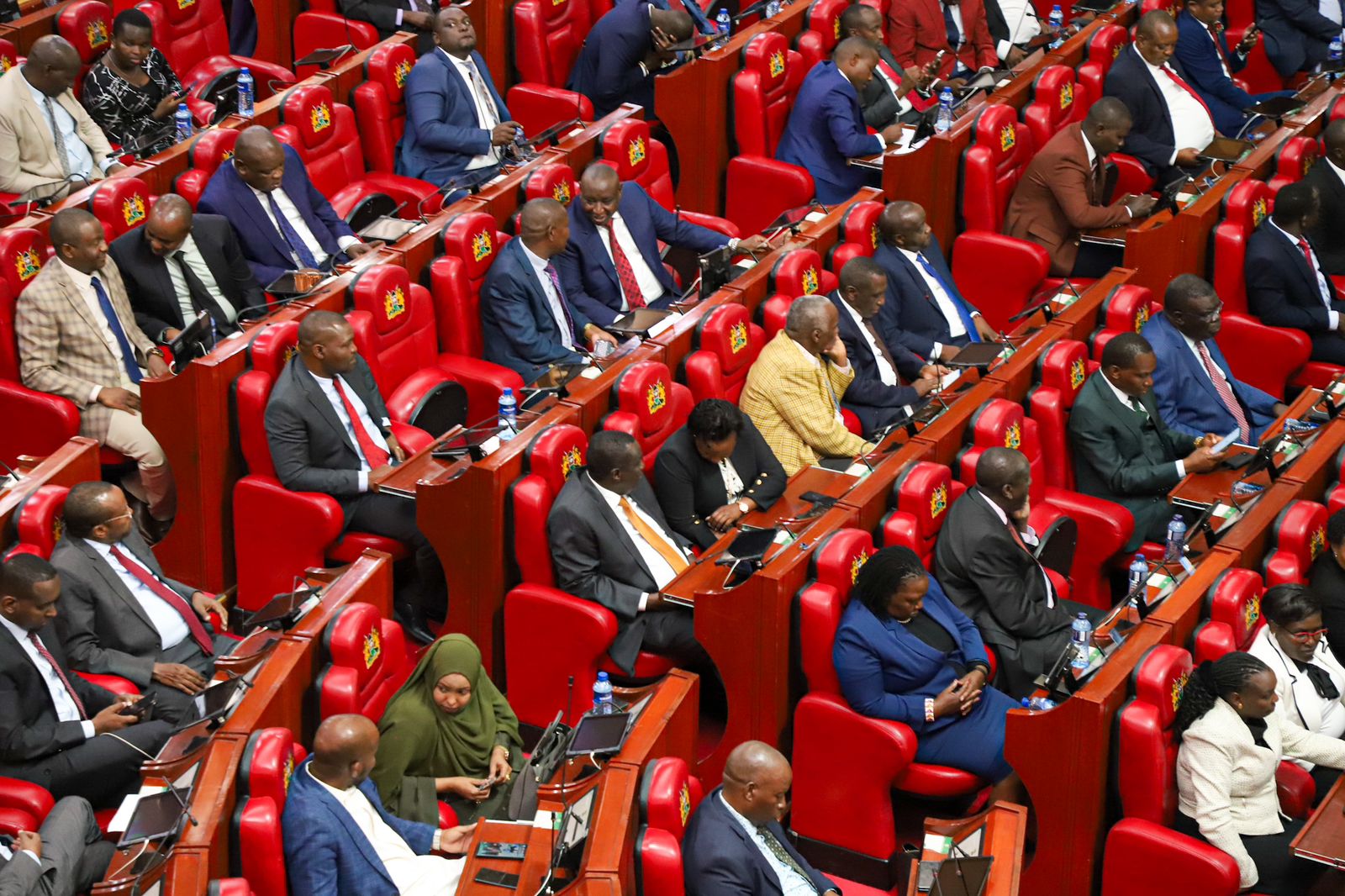
The Independent Electoral and Boundaries Commission (IEBC) has stepped up its call for Parliament to enact robust new laws governing campaign financing, saying the current legal gap exposes elections to unchecked spending, illicit funds and the risk of foreign influence.
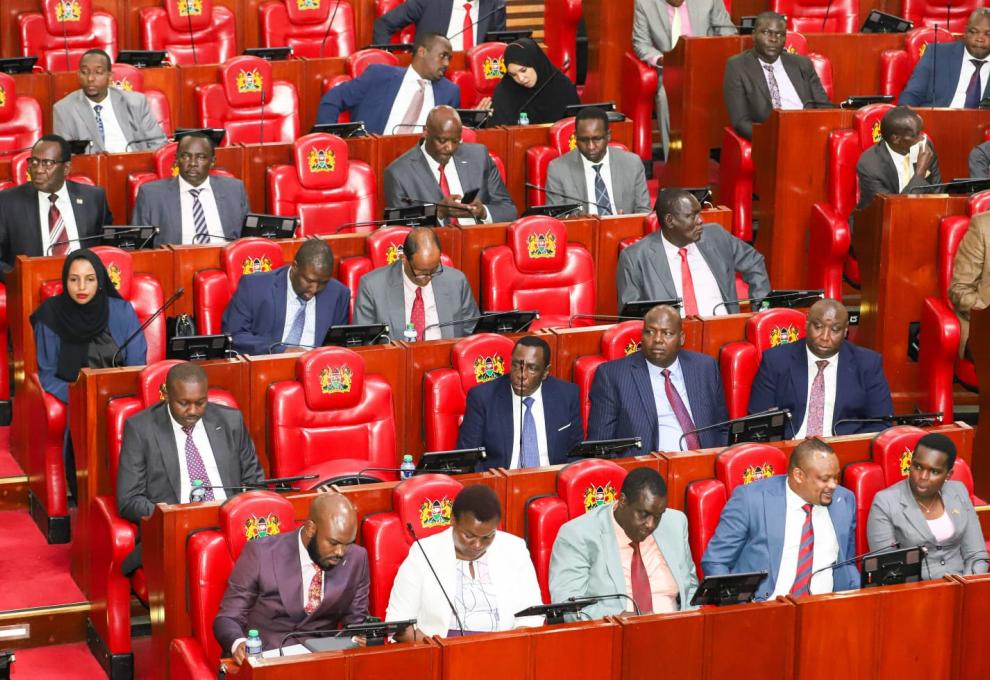
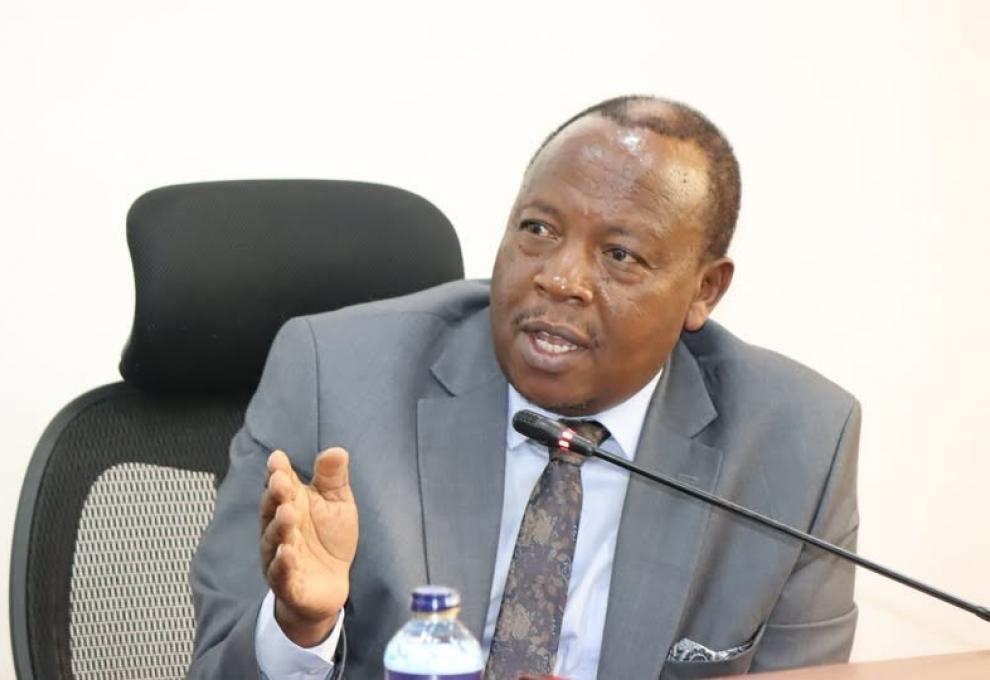
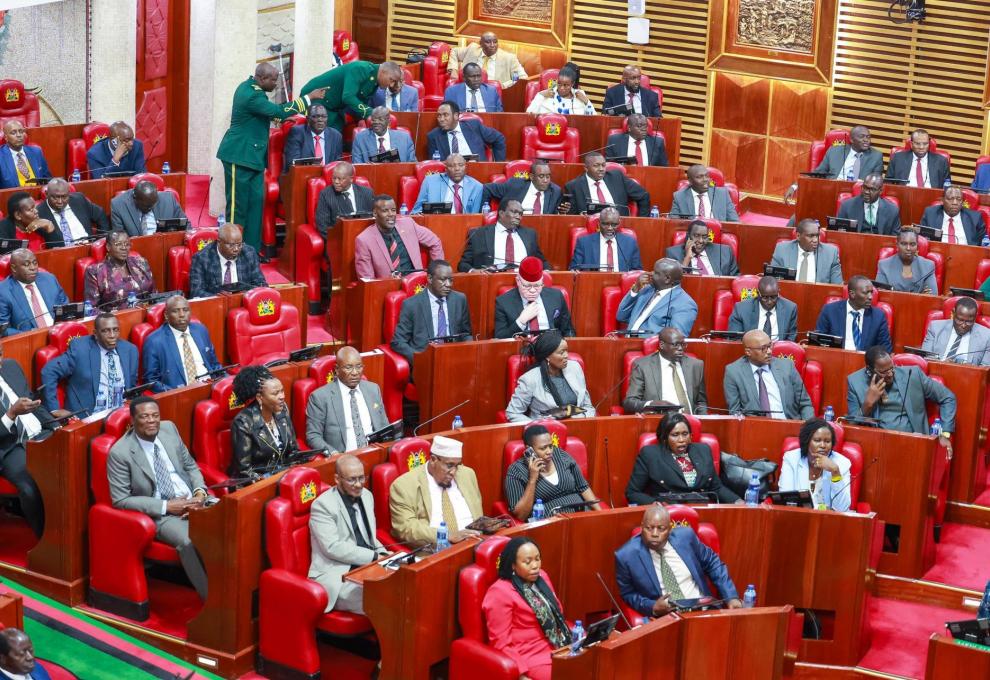
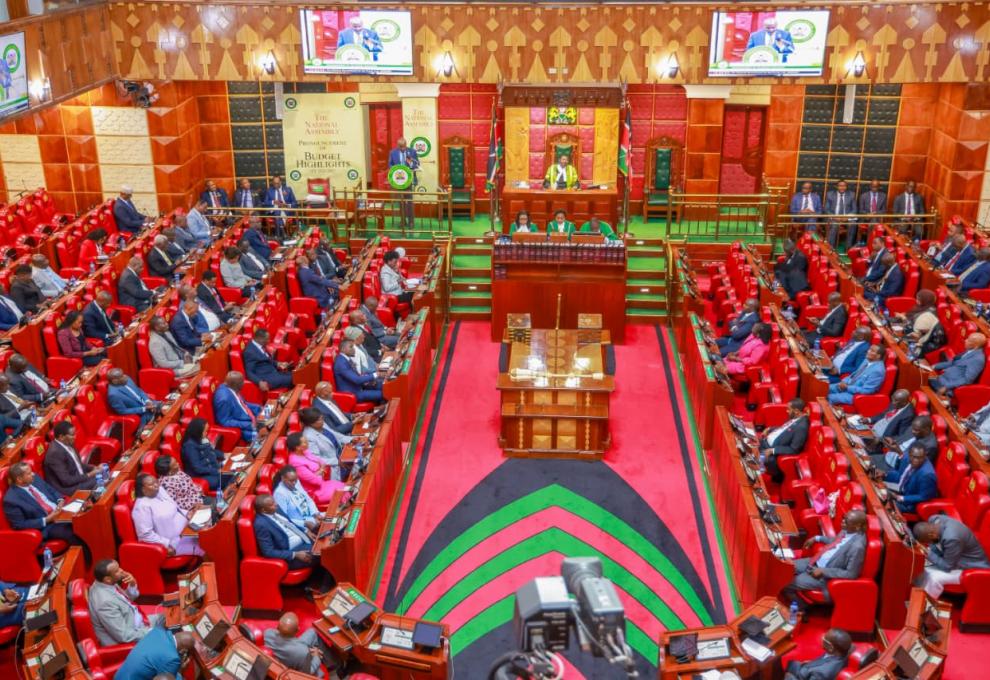
Speaking during National Assembly leadership retreat, IEBC Chairperson Erastus Edung Ethekon described the failure to enforce a comprehensive Election Campaign Financing Law as a major vulnerability that could compromise the credibility and fairness of the 2027 General Election.
“The absence of clear, enforceable rules on who can fund campaigns, how much they can contribute and from where those funds originate weakens our democratic processes and opens the door to undue influence,” Mr. Ethekon told lawmakers.
The Election Campaign Financing Act enacted in 2013 to regulate political spending has never been fully implemented because Parliament delayed adopting the implementing regulations, effectively hamstringing efforts to limit campaign expenditures and monitor contributions.
The law, as it stands, provides for disclosure of donors, spending limits and restrictions on contributions from foreign governments, but these provisions remain largely dormant due to regulatory gaps.
Proposal to Ban Foreign Donations and Tighten Spending Caps
A key element of IEBC’s proposal is to explicitly ban foreign donations for election campaigns closing a loophole that currently leaves room for international interests to indirectly influence elections.
The Commission is also pushing Parliament to define clearly who qualifies as a permissible donor and to tighten the caps on contributions and spending by individuals, political parties and interest groups.
“Without statutory clarity, campaigns continue in an environment where wealthy interests can exert outsized influence without scrutiny,” Mr. Ethekon said.
The IEBC Chairman urged lawmakers to adopt the reforms at least 12 months before the polls to give the IEBC time to implement and enforce the new regime.
Part of the IEBC’s proposed overhaul includes scrapping outdated committee frameworks that currently govern party and candidate expenditure reporting.
The Commission argues that eliminating mandatory Party, Independent Candidate and Referendum Expenditure Committees will streamline accountability and place clearer responsibility directly on candidates and parties to disclose their finances.
Mr. Ethekon also stressed that laws alone are not enough adequate funding and a clear mandate are essential to ensure enforcement
This aligns with ongoing concerns over IEBC’s broader funding gaps as it prepares for the 2027 polls, including a reported shortfall of billions of shillings needed for general electoral operations and technology upgrades.
“The credibility of the process will depend on institutional readiness, transparency and timely resourcing,” he said.
The IEBC urged Parliament to prioritise campaign finance reform as part of a comprehensive legal package that also includes compliance with the two‑thirds gender rule and clear definitions for election technology audits.
Party Nominations to Follow Certified Rules and Membership Lists
Political parties preparing for the 2027 General Election will also face tighter regulatory scrutiny, with the Office of the Registrar of Political Parties (ORPP) warning that failure to comply with legal and governance requirements could lead to loss of public funding and possible de-registration.
The Registrar of Political Parties John Cox Lurionokou said the regulator has shifted to what he termed election-centred regulation aimed at strengthening internal party democracy, inclusion and compliance with the Political Parties Act.
He said recent enforcement measures had already resulted in the de-registration of the Ukweli Party and the Vibrant Democratic Party on January 12, 2026, and warned that more parties could face similar action if they fail to meet statutory obligations.
“As we approach the next General Election, compliance will not be optional. Parties must align fully with the law if they expect to participate meaningfully in the electoral process,” Mr. Lurionokou stated.
A key enforcement tool, he said, will be the Political Parties Fund, which is governed by strict eligibility criteria under the Political Parties Act. Parties with more than two-thirds of their registered office bearers drawn from one gender will be disqualified from receiving state funding.
In addition, parties must demonstrate representation of special interest groups, including youth, persons with disabilities and other marginalised communities, within their governing organs to qualify for the fund.
Only 47 Parties Qualify for State Funding
Mr. Lurionokou said only 47 political parties currently qualify for public funding, out of the 90 fully registered parties, following the voluntary dissolution of the Amani National Congress in February 2025 and failure by many parties to meet eligibility thresholds.
He further reminded parties that only those that secured at least one elective seat in the 2022 General Election — from Member of County Assembly to President — are eligible for funding, a requirement meant to prevent allocation of public resources to dormant or shell parties.
Under the law, 70 percent of the Political Parties Fund is distributed based on the total number of votes secured by each party in the previous election, with the remaining portions allocated based on representation of special interest groups and total elected members.
To strengthen enforcement, ORPP is seeking Sh118.8 million to upgrade the Integrated Political Parties Management System to clean membership databases and ensure accurate registers are used during party primaries.