 What's on
 Things to Do
 Plan your Visit
 Media Rules and Filming
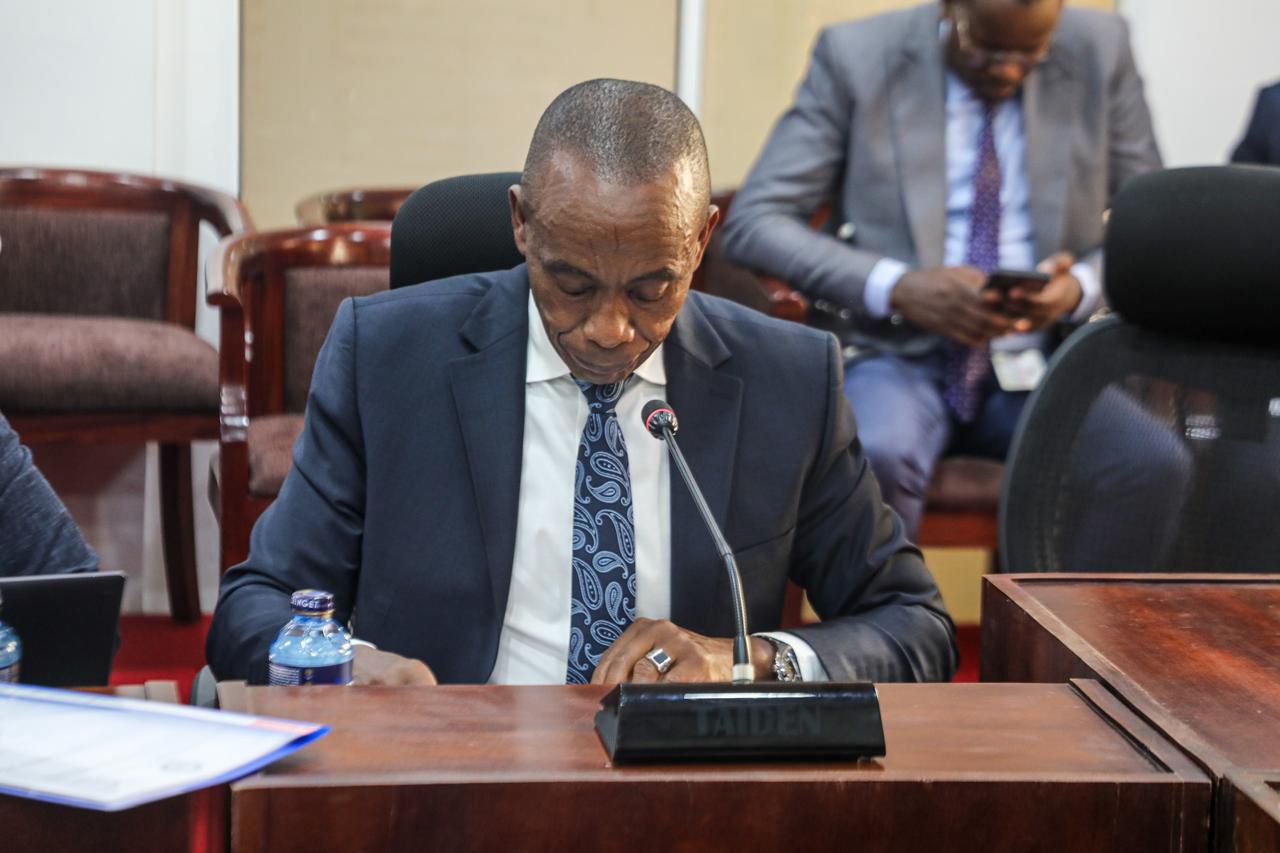
𝐂𝐎𝐆 𝐃𝐄𝐌𝐀𝐍𝐃𝐒 𝟒𝟐% 𝐒𝐇𝐀𝐑𝐄 𝐎𝐅 𝐑𝐎𝐀𝐃𝐒 𝐋𝐄𝐕𝐘 𝐈𝐍 𝐏𝐔𝐒𝐇 𝐓𝐎 𝐒𝐓𝐑𝐄𝐍𝐆𝐓𝐇𝐄𝐍 𝐃𝐄𝐕𝐎𝐋𝐔𝐓𝐈𝐎𝐍


The Council of Governors (COG) has intensified its push for a larger share of the Roads Maintenance Levy Fund (RMLF), urging the Senate to amend the Kenya Roads (Amendment) (No. 3) Bill, 2025 to allocate 42 percent of the fund to county governments.
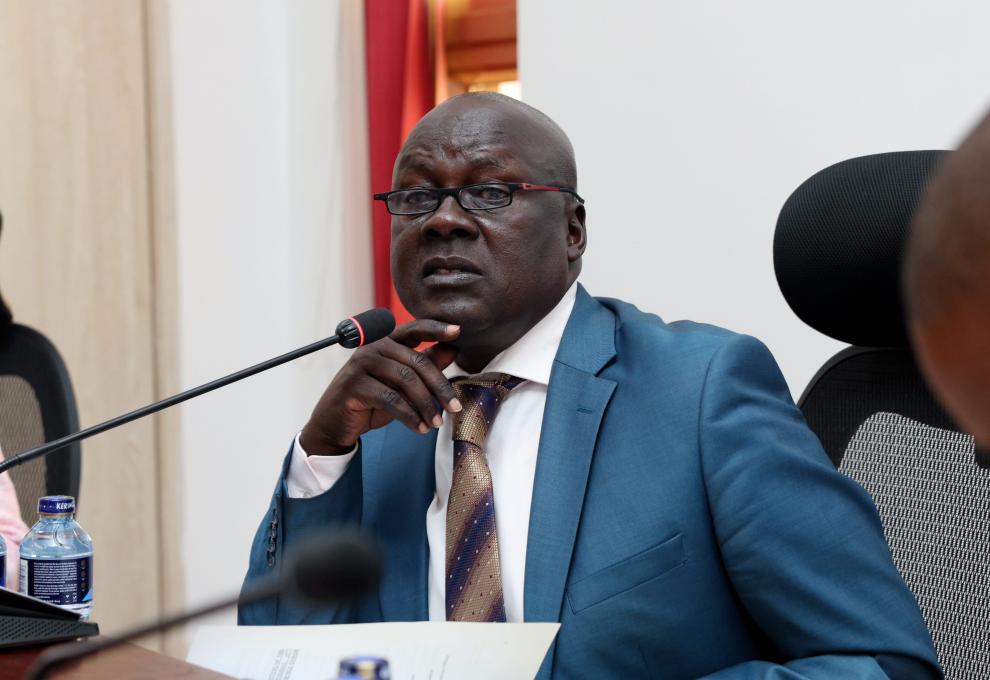
Appearing before the Senate Roads, Transport and Housing Committee, COG Transport, Infrastructure and Energy Committee Chairperson Kimani Wamatangi argued that the proposed 5 percent allocation to counties is inconsistent with both the Constitution and the reality on the ground.
According to the Kenya Roads Register 2024, counties manage 182,092 kilometres — 76.15 percent — of Kenya’s 239,122-kilometre road network.
“When counties are responsible for over three-quarters of the road network, allocating only five percent of the levy cannot be justified,” Wamatangi told the committee chaired by Migori Senator Eddy Oketch.
The debate follows a landmark High Court decision in June 2025 that declared the exclusion of counties from direct allocation of the Roads Maintenance Levy Fund unconstitutional.
The court faulted provisions of the Kenya Roads Act and the Kenya Roads Board Act, prompting the Court of Appeal to grant Parliament a 12-month window, until July 2026, to amend the law and avoid disruption in road maintenance funding.
Wamatangi said the current legal framework predates the 2010 Constitution. The Kenya Roads Act, enacted in 2007, established three national road agencies:
• Kenya National Highways Authority
• Kenya Urban Roads Authority
• Kenya Rural Roads Authority
However, the Constitution assigns national trunk roads to the national government while county roads fall exclusively under county governments.
“The law must now reflect the Constitution,” Wamatangi said.
The Kenya Roads (Amendment) (No. 3) Bill, 2025, sponsored in the Senate by Majority Leader Aaron Cheruiyot, seeks to reclassify roads into two broad categories: National Trunk Roads and County Roads.
It also proposes allocating 5 percent of the Roads Maintenance Levy Fund to counties.
In the 2024/25 financial year, total RMLF collections stood at Sh119.7 billion. Under the current proposal, counties would collectively receive approximately Sh6 billion.
COG now wants a redistribution of the existing levy allocations to give counties 42 percent of the fund.
Under its proposal:
22 percent previously allocated to the Constituency Roads Fund would go directly to counties;
10 percent allocated to roads linking constituencies would also shift to counties;
40 percent for national trunk roads would remain with the national government;
The 15 percent allocated to urban roads would be split — 5 percent for national urban trunk roads and 10 percent for county urban roads;
1 percent for roads in national parks would be co-managed with host counties;
2 percent for administration would remain unchanged.
Wamatangi argued that the levy is a dedicated user-pay fund collected from motorists and cannot be replaced by general equitable share allocations.
“Equitable share is general-purpose money meant for health, water, agriculture and other services. The Roads Maintenance Levy Fund is specifically for road maintenance,” he said.
While welcoming the Bill’s recognition of county roads as a distinct category, COG has proposed further amendments to ensure classification aligns with constitutional functions.
The governors want:
Minor urban arterials in central business districts classified as county roads;
Secondary rural roads linking major towns placed under counties;
Urban collector streets and shopping streets assigned to counties;
Security roads retained nationally but with clearer definitions to avoid overlap.
COG also proposes that road classification and reclassification be handled through a joint intergovernmental mechanism involving the national government and counties to ensure consultation.
Beyond funding, the governors are also pushing for structural reforms.
They propose amending Section 7 of the Kenya Roads Board Act to replace two outdated Principal Secretary positions with two representatives nominated by the Council of Governors, giving counties direct representation in national road governance.
COG further wants the deletion of provisions establishing Constituency Roads Committees and the eventual removal of sections establishing KURA and KeRRA once road reclassification is complete.
The reforms, Wamatangi said, would align with the 2013 Presidential Taskforce on Parastatal Reforms — known as the Abdikadir Report — and Cabinet’s January 2025 decision to merge KURA and KeRRA.
Addressing concerns about capacity, Wamatangi dismissed claims that counties are not ready to manage additional road funds.
“Counties have already been maintaining the majority of Kenya’s roads despite limited funding,” he said, adding that most counties have functional roads departments staffed by qualified engineers.
He urged Senators to use their constitutional mandate under Article 96 to safeguard devolution and ensure resources follow functions.
“The people who pay the levy on every litre of fuel expect their roads to be fixed by the government closest to them,” Wamatangi said.
The Bill is currently under consideration by the Senate Committee before it proceeds to debate in the House.