
 What's on
 Things to Do
 Plan your Visit
 Media Rules and Filming
𝐒𝐄𝐍𝐀𝐓𝐄 𝐋𝐀𝐁𝐎𝐔𝐑 𝐂𝐎𝐌𝐌𝐈𝐓𝐓𝐄𝐄 𝐑𝐄𝐂𝐄𝐈𝐕𝐄𝐒 𝐑𝐎𝐁𝐔𝐒𝐓 𝐈𝐍𝐏𝐔𝐓 𝐎𝐍 𝐈𝐍𝐓𝐄𝐑𝐍𝐒𝐇𝐈𝐏 𝐁𝐈𝐋𝐋 𝐀𝐒 𝐏𝐒𝐂 𝐃𝐄𝐅𝐄𝐍𝐃𝐒 𝐂𝐄𝐍𝐓𝐑𝐀𝐋𝐈𝐒𝐄𝐃 𝐌𝐎𝐃𝐄𝐋


The Senate Committee on Labour and Social Welfare has received wide-ranging submissions on the proposed Public Service Internship Bill (National Assembly Bills No. 63 of 2022), with the Public Service Commission (PSC) defending its centralised recruitment model even as Senators pressed for stronger absorption pathways and broader reform of work-based learning.
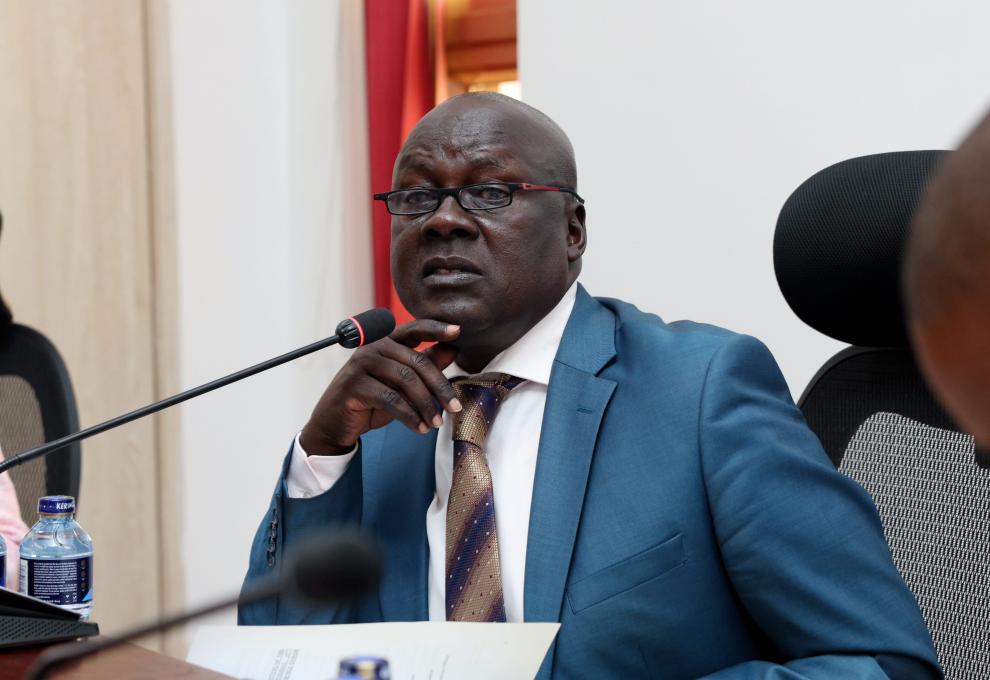
Chaired by Sen. Julius Murgor (West Pokot), the session brought together PSC officials led by CEO Paul Famba, Principal Secretary for Labour and Skills Development Shadrack Mwadime and serving interns—producing candid exchanges on youth employment.
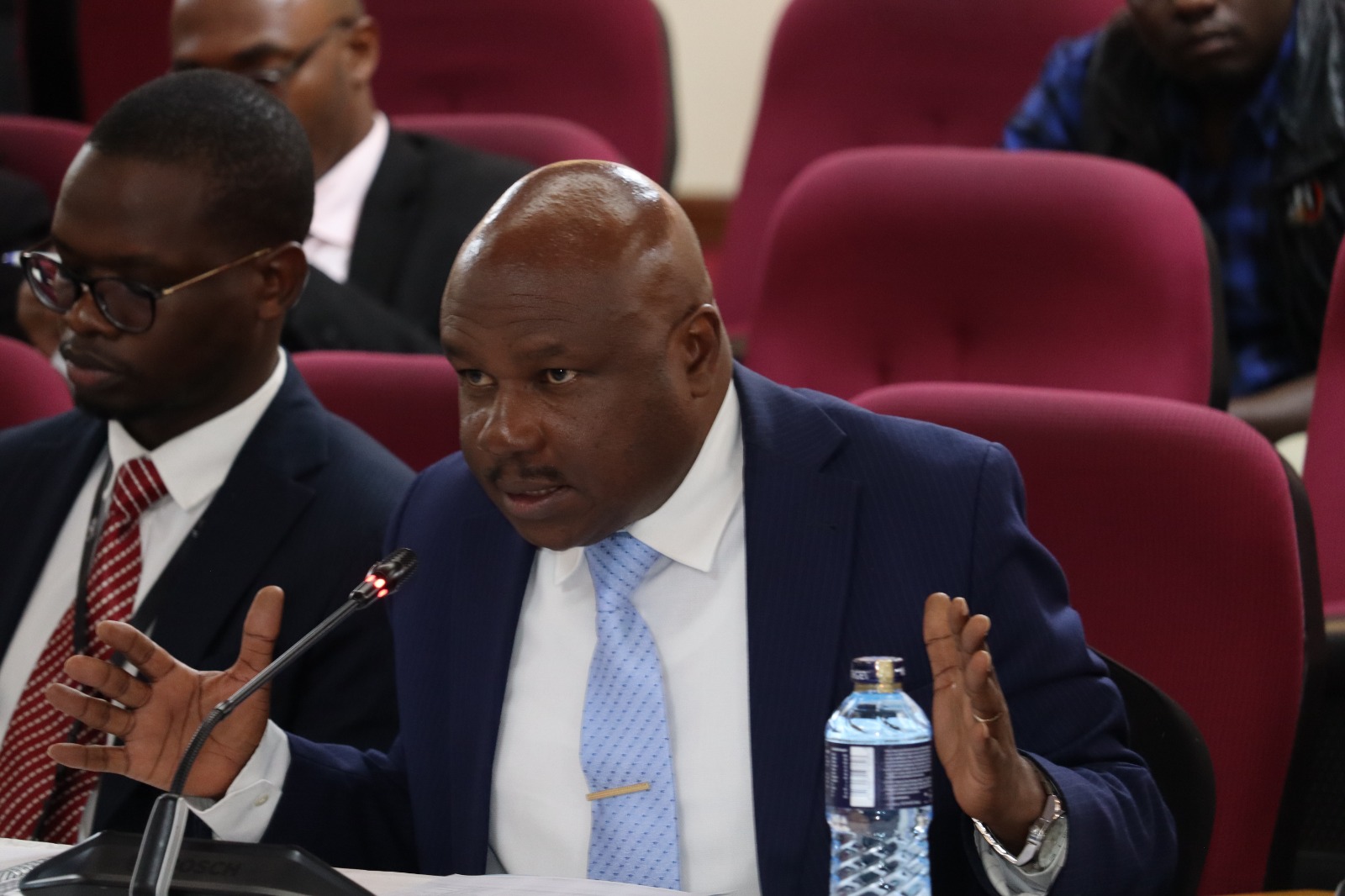
Famba argued that centralised recruitment is critical to safeguarding equity and curbing nepotism. He warned that allowing individual ministries and agencies to recruit interns directly would roll back reforms introduced in 2019 under the Public Service Internship Programme, which he said ensures representation from all wards, including Persons with Disabilities (PWDs) and marginalised communities.
PSC instead proposed redefining “public institution” to mean constitutionally established commissions—such as the Teachers Service Commission, Judicial Service Commission, Parliamentary Service Commission, Public Service Commission and the National Police Service Commission—each managing internships within its constitutional mandate.
Sen. Joe Nyutu (Murang’a) sought clarity to ensure PSC was not proposing to recruit interns on behalf of other independent commissions. PSC clarified that each commission would retain responsibility for its own programme, with oversight centralised within the respective commission.
While supportive of central oversight, Sen. Seki Lenku (Kajiado) raised concern about post-internship prospects. PSC disclosed that of 37,504 interns since inception, only about 3,317 have secured permanent or longer-term roles.
Chair Murgor questioned whether internships risk becoming a revolving door.
“The Ministry of Defence have a framework that ring-fences a percentage of recruitment opportunities for graduates of the NYS, perhaps the PSC could consider such an arrangement for absorption of interns,” Sen Murgor suggested.
Nathaniel Bramwel, an intern in the 8th Recruitment Cohort, asked why the State would invest in training interns for a year, only to exclude them from permanent and pensionable positions while recruiting fresh graduates with no experience.
PSC agreed to examine the proposal, cautioning that automatic preference could raise legal and equity concerns.
Principal Secretary Mwadime urged lawmakers to pursue a Unified Workplace Learning framework. He noted that while Kenya produces nearly one million graduates annually, only about 300,000 enter formal employment, making it unrealistic to design internship policy solely around white-collar absorption.
He proposed amendments to emphasise self-employment and enterprise creation, and flagged concerns about the 12-month cap, stipend disparities, weak supervision and the absence of explicit anti-discrimination safeguards. The Ministry also suggested consolidating internships, apprenticeships and related models under a single legislative framework.
The PS’s proposal to draw large multinationals into structured internship programmes sparked debate. He argued that major corporations have both the capacity and civic responsibility to support youth employment.
However, Sen. Crystal Asige, the Committee’s Vice-chairperson, raised enforcement concerns.
“There is an existing legal requirement that at least 5% of public sector jobs be reserved for persons with disabilities (PWDs)—a threshold that many institutions have yet to meet. How realistic is it to compel private corporations to onboard interns or meet new quotas when even existing statutory obligations have not been fully enforced?” Sen Asige wondered.
The meeting revealed broad consensus that internships are vital to youth empowerment—but also a shared recognition that without stronger supervision, clearer transition pathways and expanded partnerships across both public and private sectors, the programme risks falling short of its transformative promise. The PSC is now expected to report back to the Committee within three months on the practicality and legal soundness of ring-fencing a percentage of internship graduates for absorption into the public service.