 What's on
 Things to Do
 Plan your Visit
 Media Rules and Filming
𝐍𝐀𝐓𝐈𝐎𝐍𝐀𝐋 𝐀𝐒𝐒𝐄𝐌𝐁𝐋𝐘 𝐃𝐄𝐁𝐀𝐓𝐄𝐒 𝐁𝐈𝐋𝐋 𝐓𝐎 𝐔𝐍𝐋𝐎𝐂𝐊 𝐎𝐈𝐋 𝐒𝐄𝐂𝐓𝐎𝐑 𝐓𝐇𝐑𝐎𝐔𝐆𝐇 𝐒𝐏𝐄𝐂𝐈𝐀𝐋 𝐄𝐂𝐎𝐍𝐎𝐌𝐈𝐂 𝐙𝐎𝐍𝐄𝐒


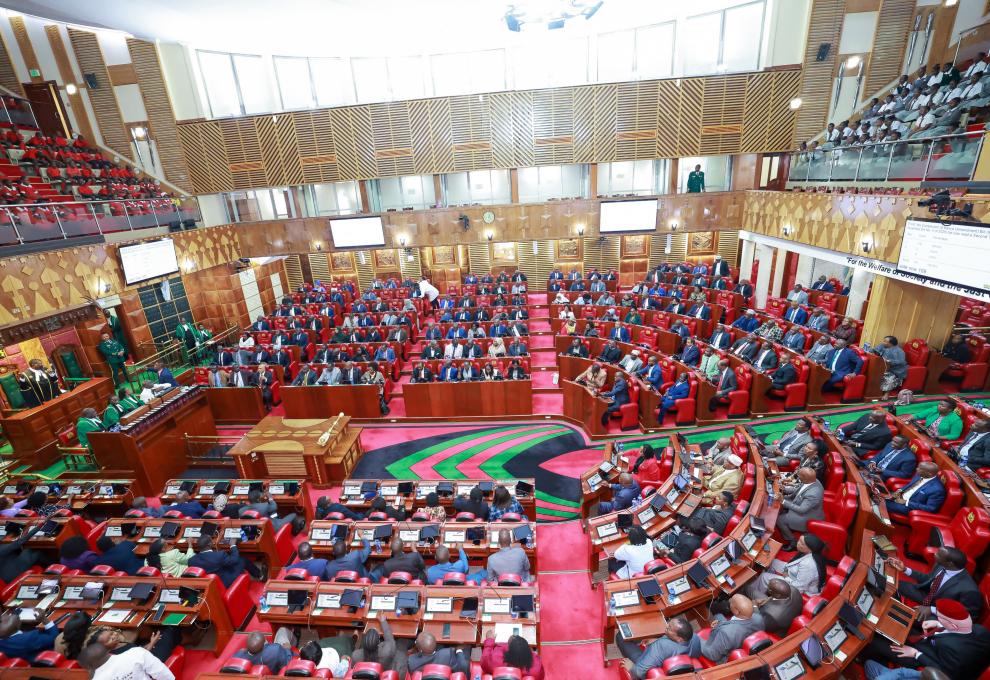
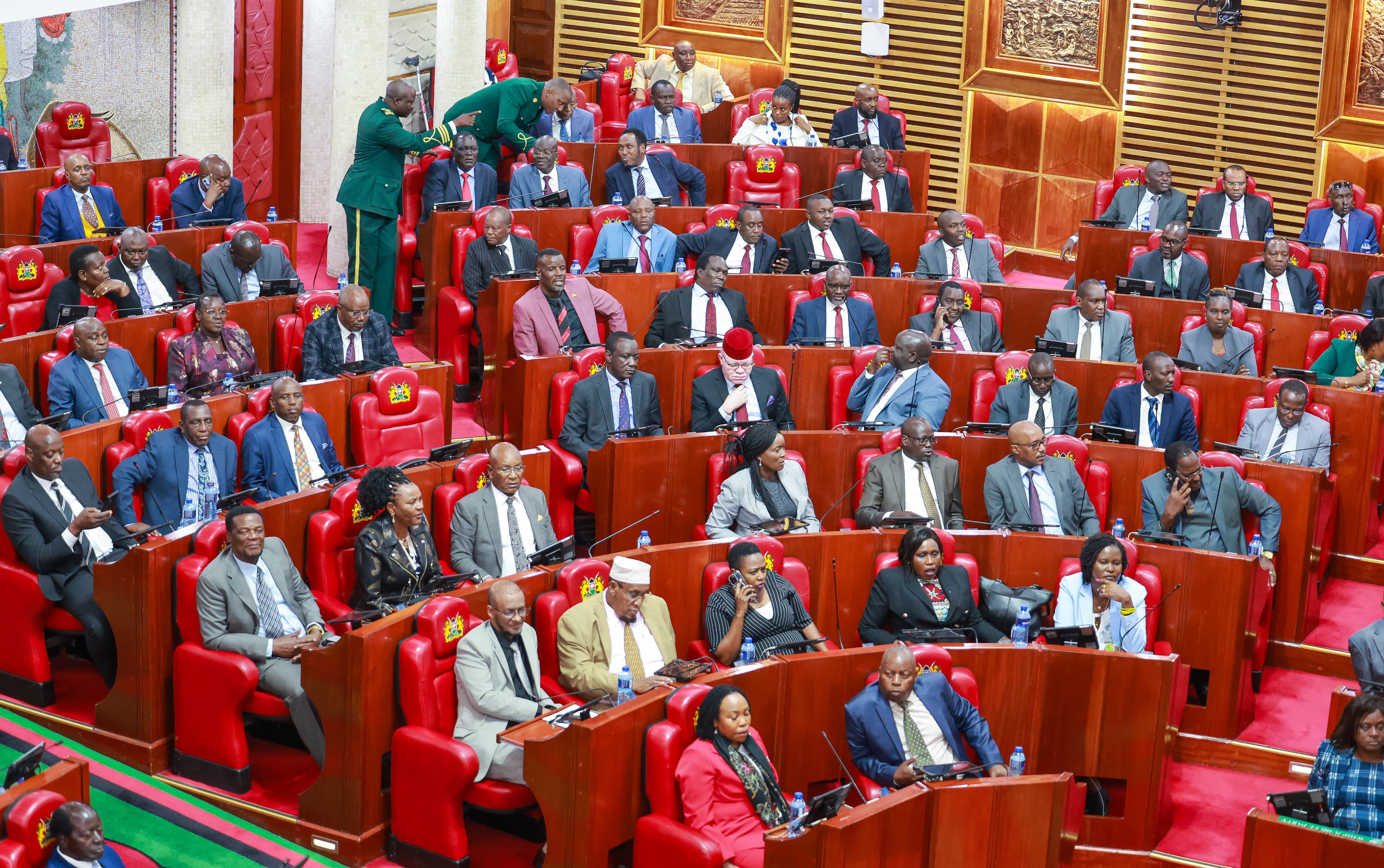
The National Assembly has commenced debate on the Special Economic Zones (Amendment) Bill, 2026, a proposed law aimed at facilitating commercial oil production in Turkana by aligning the country’s investment framework with the needs of the petroleum sector.
Moving the Bill at Second Reading, Majority Leader, Hon. Kimani Ichung’wah described it as “a very short Bill, but very consequential in the development of our nation,” noting that it responds directly to Parliament’s earlier adoption of the joint committee report on the South Lokichar Basin oil fields.
“The primary intent of this Bill is to address specific legal and fiscal gaps that have hindered the commercial development of oil reserves in Turkana County,” Hon. Ichung’wah told the House.
Central to the Bill is Clause 2, which introduces definitions of upstream and midstream petroleum operations, aligning the Special Economic Zones (SEZ) framework with the Petroleum Act.
Clause 3 amends Section 4(6) of the principal Act to formally include upstream and midstream petroleum zones as recognised SEZ categories. This effectively expands SEZ coverage to oil and gas activities, which were previously excluded.
Additionally, the Bill introduces a new Section 5A, providing for a minimum 10-year licence for petroleum zone operators. Hon. Ichung’wah argued that this would enhance investor confidence in a capital-intensive sector, “Investors should know that their investment is protected for, at least, a period of 10 years, Annual licences create uncertainty.”
The proposed law introduces wide-ranging fiscal incentives, including amendments to the Value Added Tax Act to extend zero-rating to supplies made to SEZ operators, and changes to the Income Tax Act to remove the 10-year cap on withholding tax exemptions for royalties and management fees paid to non-residents.
Further, exemptions under the Miscellaneous Fees and Levies Act are proposed to facilitate the movement of heavy oil equipment, particularly via rail, to protect road infrastructure.
Seconding the Bill, Ikolomani MP, Hon. Bernard Shinali said the amendments would “extend the ambit of the legal and regulatory regime of SEZs to midstream and upstream petroleum operations,” unlocking investment in the Lokichar fields.
He noted that the absence of SEZ incentives had made petroleum projects costly, with firms unable to access duty exemptions, VAT relief, and reduced corporate tax rates. “For a project of this capital intensity, the cumulative duty and tax burden on imports is significant,” he said.
Debate on the Bill is expected to continue.