
 What's on
 Things to Do
 Plan your Visit
 Media Rules and Filming

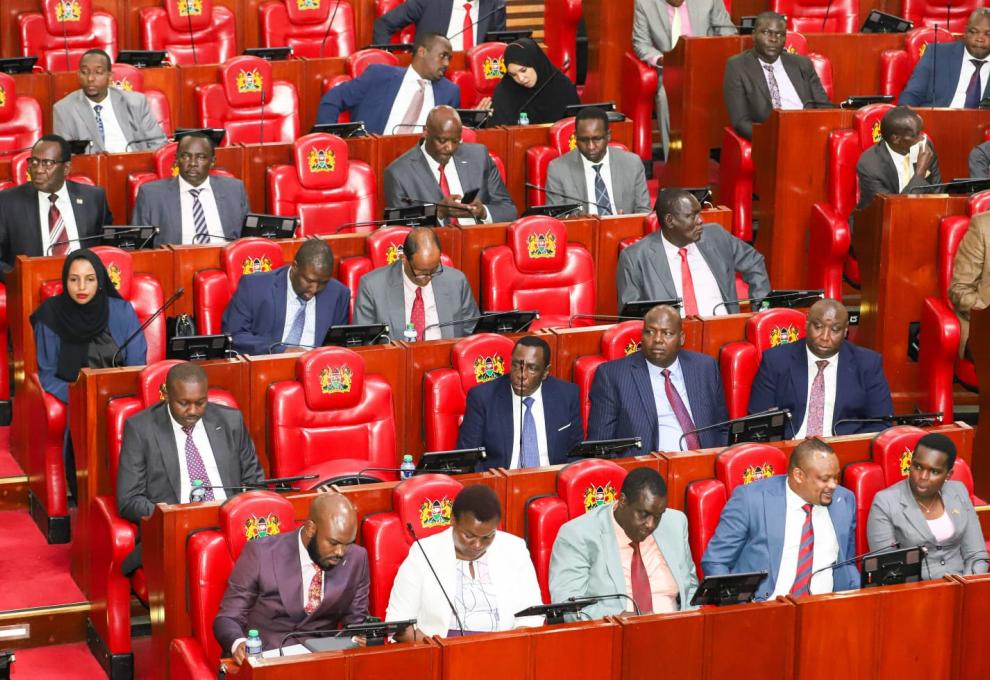
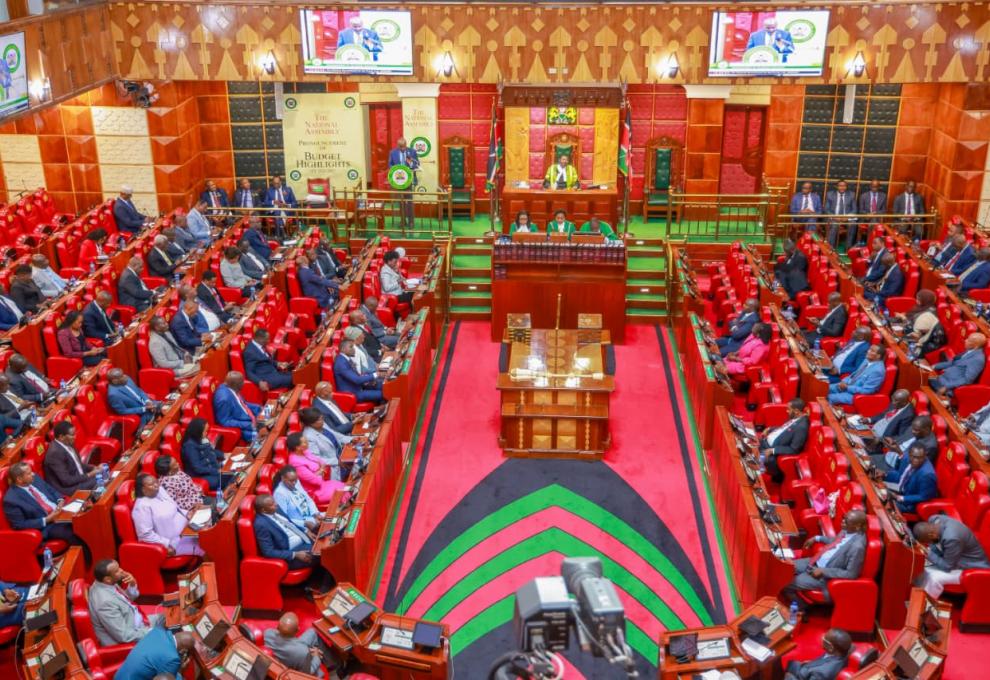
𝐌𝐏𝐒 𝐆𝐑𝐄𝐄𝐍𝐋𝐈𝐆𝐇𝐓 𝐂𝐑𝐎𝐏 𝐀𝐌𝐄𝐍𝐃𝐌𝐄𝐍𝐓 𝐁𝐈𝐋𝐋 𝐓𝐎 𝐑𝐄𝐂𝐎𝐆𝐍𝐈𝐙𝐄, 𝐌𝐀𝐑𝐊𝐄𝐓 𝐈𝐍𝐃𝐈𝐆𝐄𝐍𝐎𝐔𝐒 𝐂𝐎𝐀𝐒𝐓𝐀𝐋 𝐏𝐋𝐀𝐍𝐓


The National Assembly has passed the Crops (Amendment) Bill, 2023. The Bill sponsored by Hon. Tandaza Kassim seeks to officially recognize Achiote locally known as "𝘔𝘳𝘢𝘯𝘨𝘪"as a scheduled crop under the Crops Act No. 16 of 2013 to revitalize the agricultural sector and empower coastal farmers.
Achiote (Bixa Orellana) is a hardy, drought-resistant shrub primarily grown in Kwale and Lamu counties. Its seeds produce bixin, the world’s second most important natural colorant, which is increasingly sought after by the global food, pharmaceutical, and cosmetic industries as a healthy alternative to synthetic dyes.
Despite its vast potential, farmers have historically struggled with a lack of financial support, inadequate incentives, and inconsistent markets because the crop was not formally recognized in the national agricultural framework.
By bringing Achiote "𝘔𝘳𝘢𝘯𝘨𝘪" into the First Schedule, the government can now intervene to provide, marketing, distribution, value addition and farmer protection.