 What's on
 Things to Do
 Plan your Visit
 Media Rules and Filming
𝐂𝐇𝐈𝐑𝐂𝐇𝐈𝐑 𝐀𝐒𝐒𝐔𝐑𝐄𝐒 𝐌𝐏𝐒 𝐓𝐔𝐑𝐊𝐀𝐍𝐀 𝐎𝐈𝐋 𝐄𝐕𝐀𝐂𝐔𝐀𝐓𝐈𝐎𝐍 𝐖𝐈𝐋𝐋 𝐍𝐎𝐓 𝐁𝐄 𝐃𝐄𝐋𝐀𝐘𝐄𝐃 𝐁𝐘 𝐈𝐍𝐅𝐑𝐀𝐒𝐓𝐑𝐔𝐂𝐓𝐔𝐑𝐄


The Executive has assured Parliament that transport infrastructure will not hinder crude oil production from the South Lokichar Basin in Turkana County, as it defended the Field Development Plan (FDP) and associated Production Sharing Contracts (PSCs) for Blocks T6 and T7.
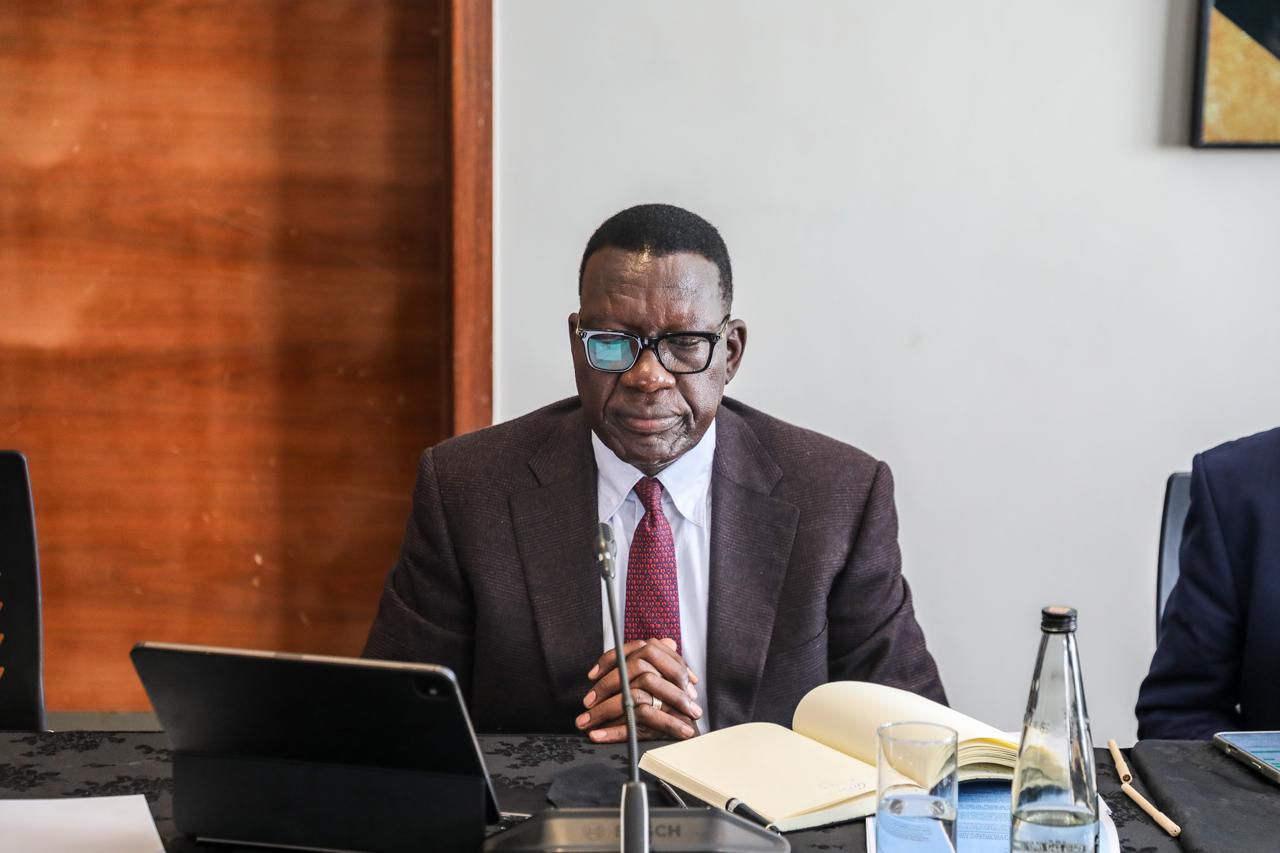
Appearing before the Joint Parliamentary Committees on Energy, Roads and Transport, Cabinet Secretary Davis Chirchir said Kenya is adequately prepared to evacuate oil once production begins, insisting that the country is “not starting from zero.”
“Road evacuation readiness is anchored on a simple fact: Lokichar is already connected to the national trunk road system, and the trunk corridor to the Coast is undergoing significant strengthening and expansion,” Chirchir told MPs and Senators.
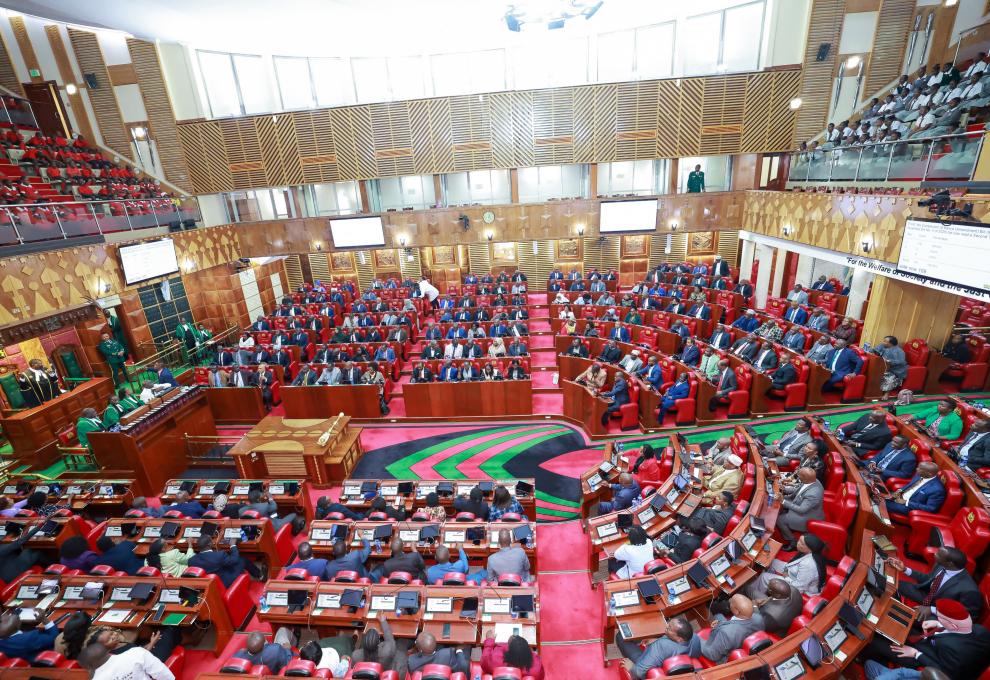
He said the Ministry fully supports the constitutional requirement for public participation in the ratification of the FDP. “In accordance with Article 71 of the Constitution and the Petroleum Act, Parliament must seek and consider public input before ratifying the FDP and associated contracts. We fully support this process,” he said.
Chirchir outlined two main road evacuation routes from Lokichar to the Port of Mombasa. The first option runs through Barpelo, Marich Pass and Baringo to Nakuru, Nairobi and onward to Mombasa. He described it as a lower-traffic alternative that reduces pressure on the busiest sections of the Northern Corridor and allows better planning for convoying and incident response.
“It offers route diversity and predictable travel times, which are critical for petroleum haulage,” he said, while acknowledging safety concerns along the steep Marich Pass section. “Given the terrain and gradients associated with Marich Pass, we will implement strict hazardous cargo safety standards, speed management, mandatory inspections and coordinated multi-agency emergency response arrangements.”
The second route runs through Kitale and Eldoret before joining the Northern Corridor to Nairobi and Mombasa. According to the CS, this option benefits from an established logistics ecosystem in Eldoret, including supply chains, repair services and emergency response capacity.
“It provides high operational convenience for fleet management and logistics scaling as evacuation volumes increase,” Chirchir said.
Crude oil trucking is expected to begin in March 2027, with approximately 100 trucks operating on a six-day turnaround cycle in Phase One.
The Ministry, however, acknowledged that increased heavy commercial truck traffic will heighten accident risks along the corridor. “Sustained heavy tanker operations increase the risk of high-severity crashes and brake failure incidents, particularly on the Marich Pass–Tot–Loruk–Nakuru stretch,” Chirchir said.
He revealed that the National Transport and Safety Authority (NTSA) and the Kenya National Highways Authority (KeNHA) have conducted safety audits along key sections of the corridor but admitted that a comprehensive Road Safety Impact Assessment is still needed.
To strengthen compliance, the government plans to establish new Motor Vehicle Inspection (MVI) centres in Lodwar and Lokichar at an estimated cost of Sh600 million each, while upgrading inspection capacity in Kitale. A proposed roadside inspection station at Chepereria will serve as a compliance gate for oil tankers, focusing on axle load enforcement, brake and tyre checks, and hazardous goods monitoring.
“The axle load enforcement and tanker compliance capacity is currently insufficient. These new facilities will significantly strengthen inspection and safety enforcement,” he said.
Chirchir told lawmakers that road transport will be temporary, with a transition to rail planned under Phase Two from 2030 onwards. Under the multimodal plan, crude oil will be trucked from Lokichar to Eldoret before being transported by the rehabilitated Meter Gauge Railway (MGR) to Mombasa.
“Once rail operations begin, the need for long-haul trucking will reduce dramatically, improving efficiency and lowering highway congestion and accident risks,” he said.
The rail evacuation project is projected to cost about USD 666 million across two phases, covering track rehabilitation and acquisition of specialized tank wagons or ISO tanks. Chirchir described the rail shift as “a triple win — cutting infrastructure costs, improving public safety and protecting the environment.”
He warned that failure to extend rail infrastructure to Turkana at peak production of 50,000 barrels per day could require up to 1,500 trucks daily. “That is not a scenario the Government is keen to contemplate,” he said.
On the proposed Lokichar–Lamu crude oil pipeline under the LAPSSET project, the CS said it remains a strategic long-term component but is not ready for initial production timelines. “Road evacuation is adopted for Phase One while rail evacuation is planned for Phase Two. The FDP remains aligned with future pipeline development should it reach construction readiness,” he said.
Chirchir emphasized that contractors will bear primary liability for accidents and environmental damage under the “Polluter Pays” principle. “Contractors carry operational, safety, environmental and spill risks. Government retains policy and force majeure risks,” he told the Committee.
The government is targeting first oil export by late 2026.
“We therefore submit that road evacuation will not be a constraint to oil production from the Lokichar Basin,” Chirchir said. “We remain committed to delivering first oil in a manner that is safe, efficient and maximally beneficial to the people of Kenya.”