
 What's on
 Things to Do
 Plan your Visit
 Media Rules and Filming
𝐋𝐄𝐆𝐈𝐒𝐋𝐀𝐓𝐈𝐕𝐄 𝐀𝐂𝐓𝐈𝐕𝐈𝐓𝐘 𝐒𝐔𝐑𝐆𝐄𝐒 𝟏𝟓𝟎% 𝐈𝐍 𝐓𝐇𝐑𝐄𝐄 𝐘𝐄𝐀𝐑𝐒 𝐀𝐒 𝐄𝐗𝐄𝐂𝐔𝐓𝐈𝐕𝐄 𝐏𝐔𝐒𝐇𝐄𝐒 𝐑𝐄𝐅𝐎𝐑𝐌 𝐀𝐆𝐄𝐍𝐃𝐀


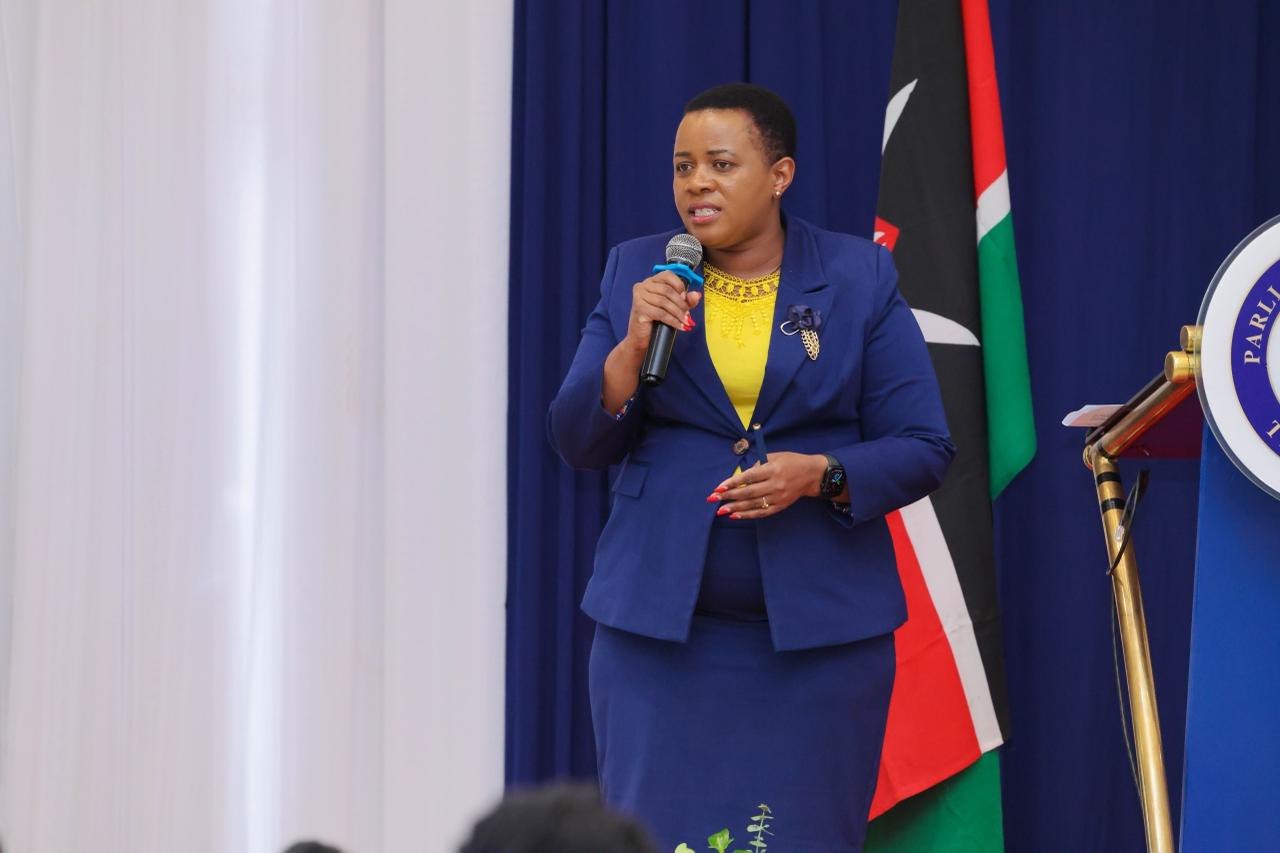
Kenya's legislative machinery has shifted into high gear, with the volume of business transacted in Parliament more than doubling in just three years, a milestone that Principal Secretary Dr Aurelia Rono says reflects deepening coordination between the Executive and the Legislature.
"Legislative Business grew significantly, from a collective total of 234 items in 2023 to 593 in 2025," Dr Rono told Senate leadership at the Senate Retreat in Naivasha on Thursday. "This growth has mainly been driven by Bills and Statutory Instruments, both of which have recorded strong and consistent increases over the period."
The figures, drawn from a State Department for Parliamentary Affairs (SDPA) presentation, show Bills rising from 150 in 2023 to 315 in 2025, while Statutory Instruments nearly quadrupled from 63 to 232 in the same period. Treaties and Protocols also climbed steadily, from 14 to 31, signalling what Dr Rono described as "enhanced international engagement and compliance with the Treaty Making and Ratification Act."
"Overall, the trend demonstrates a broad-based expansion of legislative business, underscoring improved coordination, productivity, and engagement between the Executive and Parliament," she said.
The surge comes as the Government Legislative Agenda (GLA), approved by Cabinet in July 2024, now tracks 1,281 policy, legislative and statutory initiatives. The overall transition rate of GLA initiatives to Parliament improved from 24.2% in December 2024 to 30.5% in December 2025.
However, Dr Rono flagged a worrying accountability gap. Cabinet Secretaries responded to only 55% of Senate questions in 2025, while committee appearance rates stood at a mere 35.3%.
"The data demonstrates an urgent need for enhanced collaboration between the Senate and the Executive," she cautioned.