 What's on
 Things to Do
 Plan your Visit
 Media Rules and Filming
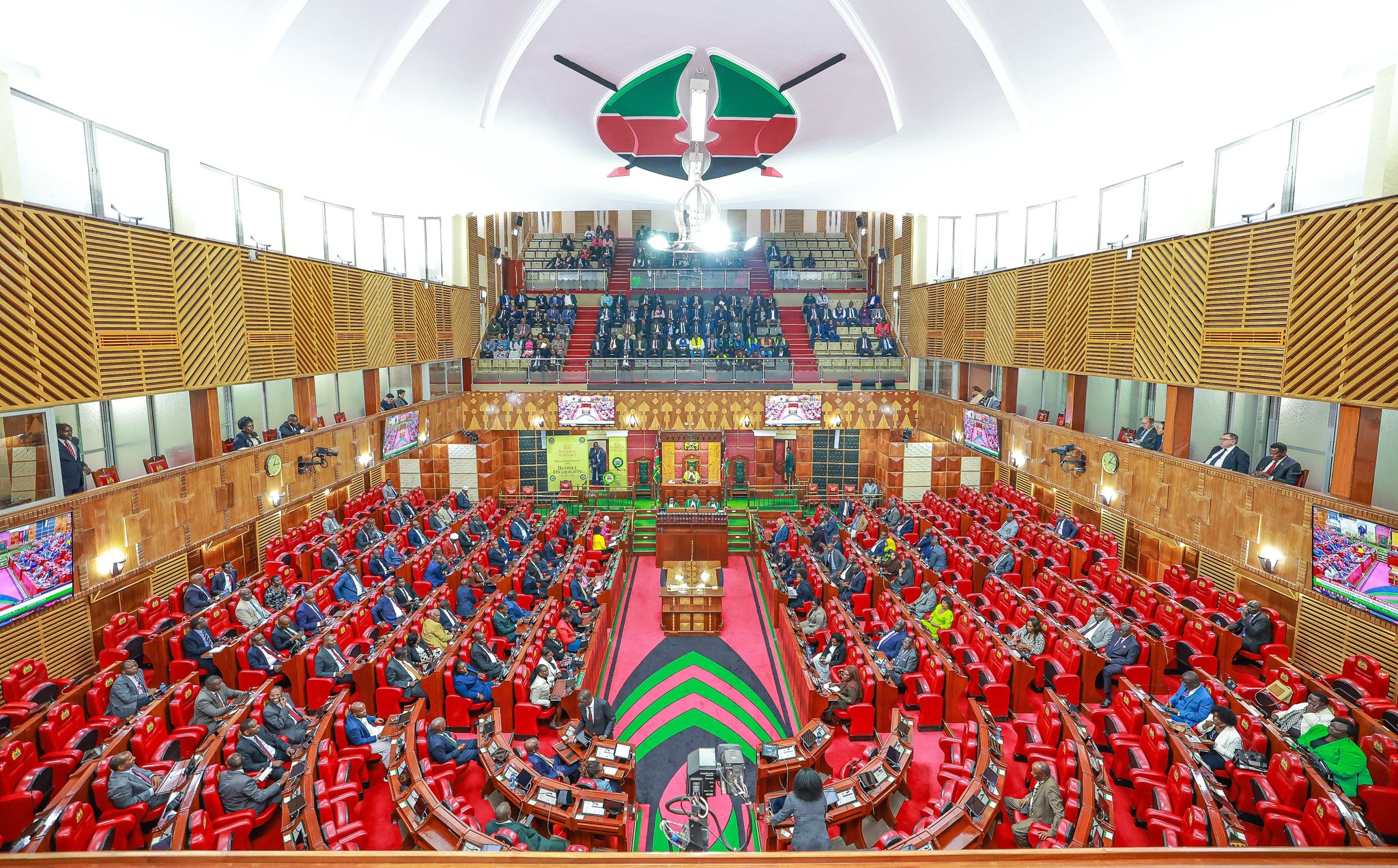
𝐍𝐀𝐓𝐈𝐎𝐍𝐀𝐋 𝐀𝐒𝐒𝐄𝐌𝐁𝐋𝐘 𝐀𝐏𝐏𝐑𝐎𝐕𝐄𝐒 𝟐𝟎𝟐𝟔 𝐁𝐔𝐃𝐆𝐄𝐓 𝐏𝐎𝐋𝐈𝐂𝐘 𝐒𝐓𝐀𝐓𝐄𝐌𝐄𝐍𝐓 𝐒𝐄𝐓𝐓𝐈𝐍𝐆 𝐒𝐏𝐄𝐍𝐃𝐈𝐍𝐆 𝐏𝐑𝐈𝐎𝐑𝐈𝐓𝐈𝐄𝐒 𝐅𝐎𝐑 𝐓𝐇𝐄 𝐘𝐄𝐀𝐑


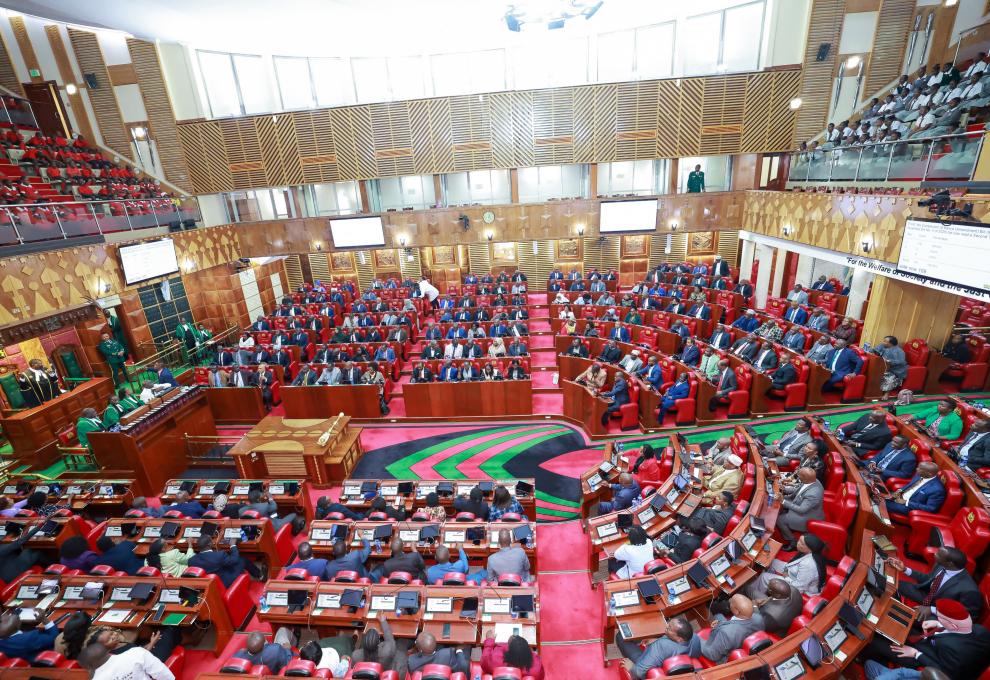
Kenyans can now get a clearer picture of how government plans to spend public money after the National Assembly approved the 2026 Budget Policy Statement (BPS), setting the broad spending limits and priorities for the 2026/2027 financial year.
The approval of the policy statement means the National Assembly has agreed on how much the national government can spend and which sectors will receive priority funding before the detailed budget estimates are prepared. According to the financial resolutions adopted by the House, the total national government budget ceiling has been set at KES2.878 trillion.
Out of this amount, the Executive will receive KES2.797 trillion, while Parliament has been allocated KES50.78 billion and the Judiciary KES30.44 billion. These ceilings guide how ministries, departments and agencies will prepare their budgets in the coming financial year.
Counties are set to receive KES420 billion as the equitable share to county governments, ensuring funds flow to the devolved units for services such as health, agriculture and local infrastructure.
In addition, KES75.69 billion has been approved as additional allocations to counties, while the Equalization Fund will receiveKES9.6 billion to support historically marginalized areas with basic services like water, roads and electricity.
The approved framework also sets the fiscal direction of the country. Parliament resolved that the budget deficit will be maintained at 5.3 percent of the Gross Domestic Product (GDP), a move aimed at controlling borrowing while still financing development programmes.
Security remains one of the largest priorities. The National Police Service has been allocated KES143.19 billion, while the Ministry of Defence will receiveKES241.36 billion, reflecting continued investment in national security and stability.
Education also takes a substantial share of public spending. The Teachers Service Commission has been allocated KES422.95 billion, largely to pay teachers’ salaries and manage teacher recruitment. Meanwhile, the State Department for Basic Education will receive KES134.78 billion, supporting primary and secondary education programmes.
Higher education remains another major investment area, with KES160.09 billion allocated to the State Department for Higher Education and Research, including funding for universities and research programmes.
In infrastructure development, the State Department for Roads has been allocated KES232.11 billion, while the Housing and Urban Development department will receive KES139.33 billion, largely supporting housing programmes and urban development projects.
For health services KES134.3 billion has been allocated to the State Department for Medical Services and KES33.1 billion for Public Health and Professional Standards, funding hospitals, specialized care and preventive health services.
Beyond financial allocations, the National Assembly also adopted several policy resolutions which guide how government will manage public finances. Among them is a directive for the National Treasury to rationalize and merge non-viable state corporations by October 2026 to improve efficiency and reduce wastage of public resources.
Lawmakers also directed the Treasury to publish detailed exchequer releases for government programmes, a move intended to strengthen transparency and allow Parliament to track how public funds are spent.
Following approval, the Budget Policy Statement and accompanying resolutions will provide the fiscal foundation for the 2026/2027 national budget and guide the preparation of detailed spending plans to be presented to Parliament in the coming months.