
 What's on
 Things to Do
 Plan your Visit
 Media Rules and Filming
𝐀𝐅𝐑𝐈𝐂𝐀𝐍 𝐌𝐏𝐒 𝐃𝐄𝐌𝐀𝐍𝐃 𝐂𝐎𝐍𝐂𝐄𝐒𝐒𝐈𝐎𝐍𝐀𝐋 𝐂𝐋𝐈𝐌𝐀𝐓𝐄 𝐅𝐈𝐍𝐀𝐍𝐂𝐄 𝐅𝐎𝐑 𝐇𝐎𝐌𝐄𝐆𝐑𝐎𝐖𝐍 𝐈𝐍𝐍𝐎𝐕𝐀𝐓𝐎𝐑𝐒


𝐀𝐅𝐑𝐈𝐂𝐀𝐍 𝐌𝐏𝐒 𝐃𝐄𝐌𝐀𝐍𝐃 𝐂𝐎𝐍𝐂𝐄𝐒𝐒𝐈𝐎𝐍𝐀𝐋 𝐂𝐋𝐈𝐌𝐀𝐓𝐄 𝐅𝐈𝐍𝐀𝐍𝐂𝐄 𝐅𝐎𝐑 𝐇𝐎𝐌𝐄𝐆𝐑𝐎𝐖𝐍 𝐈𝐍𝐍𝐎𝐕𝐀𝐓𝐎𝐑𝐒
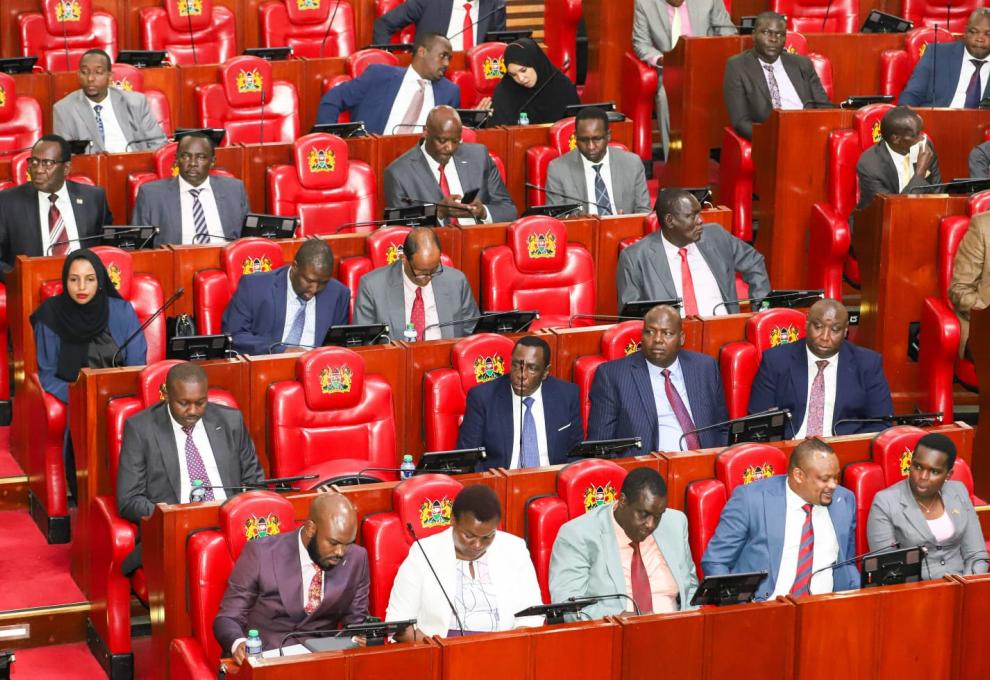
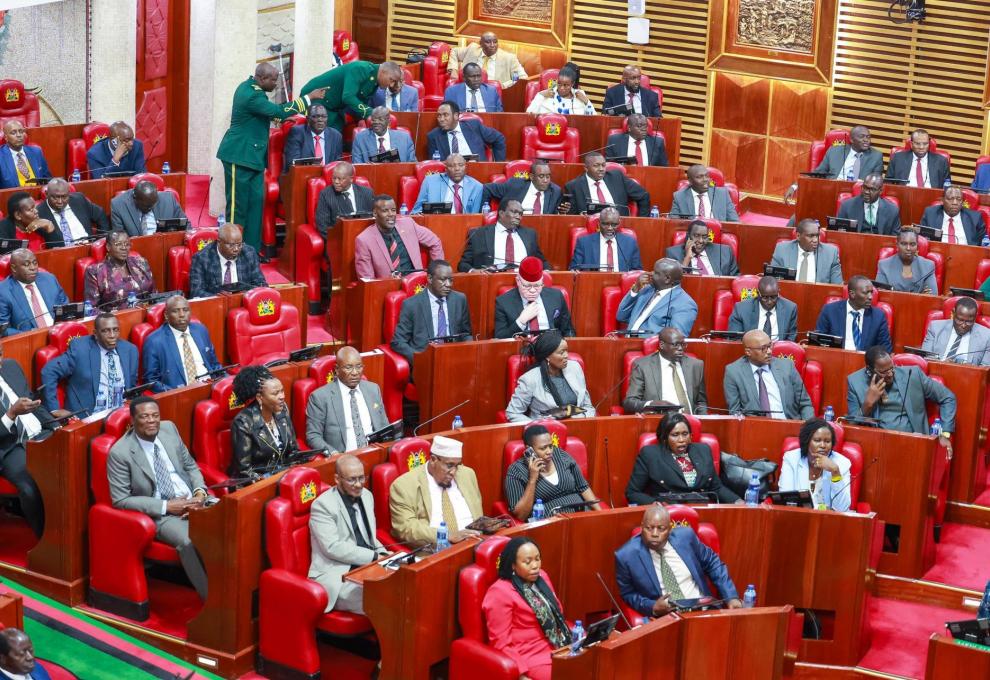
Confronted with the ingenuity of Kenya’s Sleeping Warrior Special Economic Zone, African legislators on Sunday, 17th May 2026 in Elementaita have for equitable climate finance and robust legal protections for homegrown environmental solutions. The field excursion, which concluded the three-day IPU Regional Seminar, highlighted the urgent need for a regulatory framework that shields African-led carbon innovations while ensuring the continent is not sidelined by international financial mechanisms.
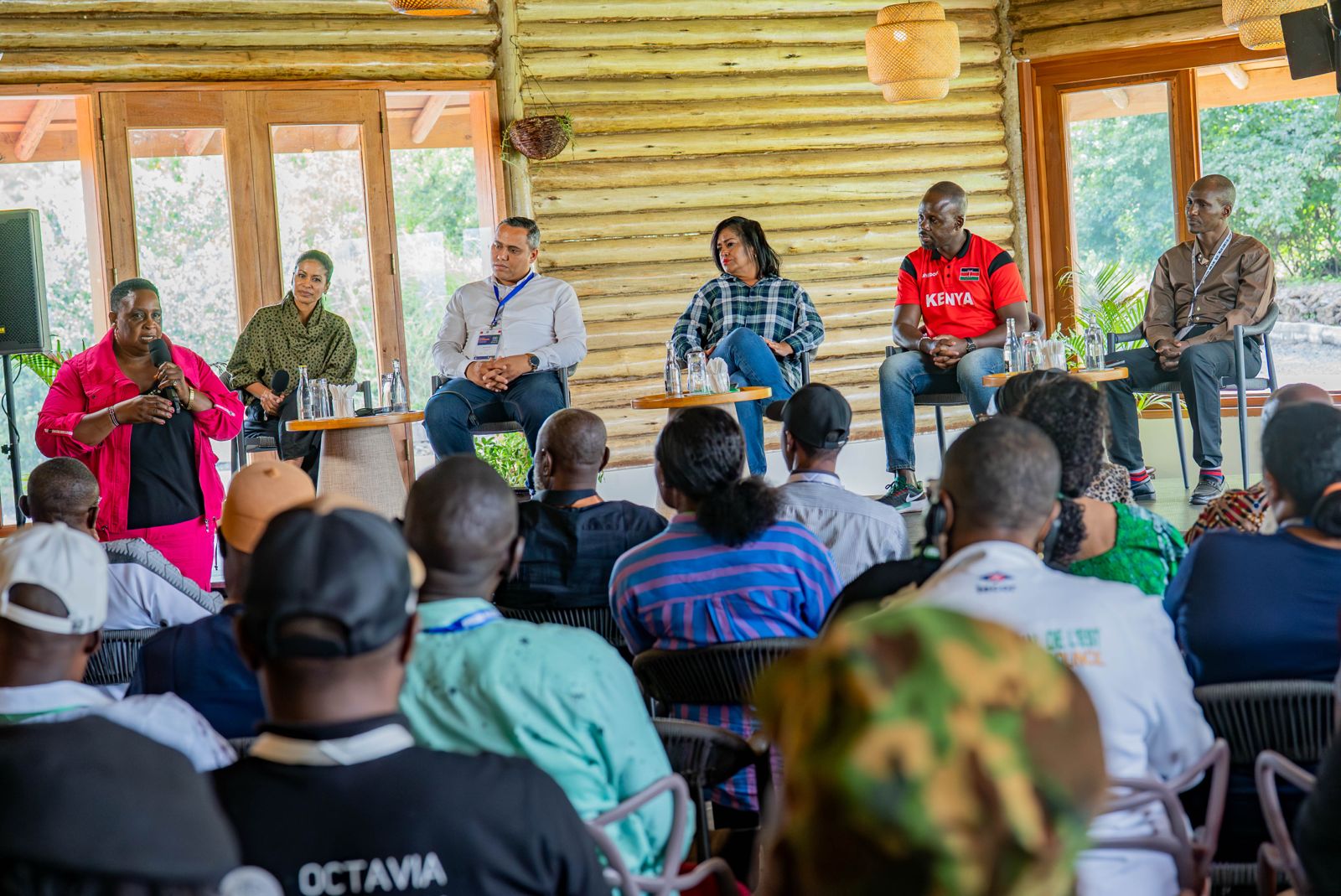
The delegation, toured the Mumbi Geothermal Well, Octavia Carbon's direct air capture plant, the Cella Carbon/Sirona Tech mineralisation site and Silk Origin, before sitting down to a moderated panel on what they had seen.
The four stops told one story in different chapters. Octavia Carbon, the Africa's first direct air capture company, pulls carbon dioxide out of the atmosphere. The captured CO₂ is then handed to Cella, which injects it into Rift Valley basaltic rocks where it mineralises into solid carbonate, locking the carbon away for thousands of years. Silk Origin closes the development loop, running large-scale mulberry plantations and silkworm rearing to build a full sericulture value chain that creates rural jobs while improving land cover and climate resilience.
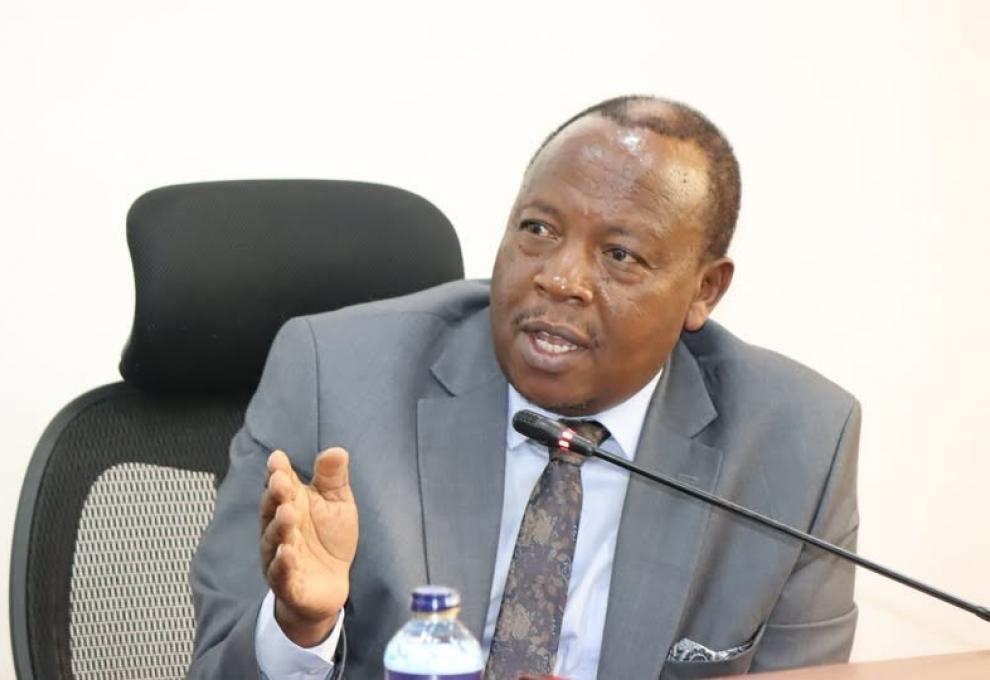
Kenya Parliamentary Climate Caucus Chair Sen. Moses Kajwang linked the day's observations to a wider justice argument. Methane reduction, he warned, must not come at the expense of pastoralist livelihoods, given that agriculture remains Africa's leading methane source. He pressed developed countries to honour commitments made under the UN climate process, including the New Collective Quantified Goal (NCQG) and the Loss and Damage Fund, which he said "has not been facilitated." Young African engineers building direct air capture and carbon sequestration projects, he added, should be able to tap the Green Climate Fund, the Adaptation Fund and similar facilities on concessional terms, "rather than commercial bank loans."
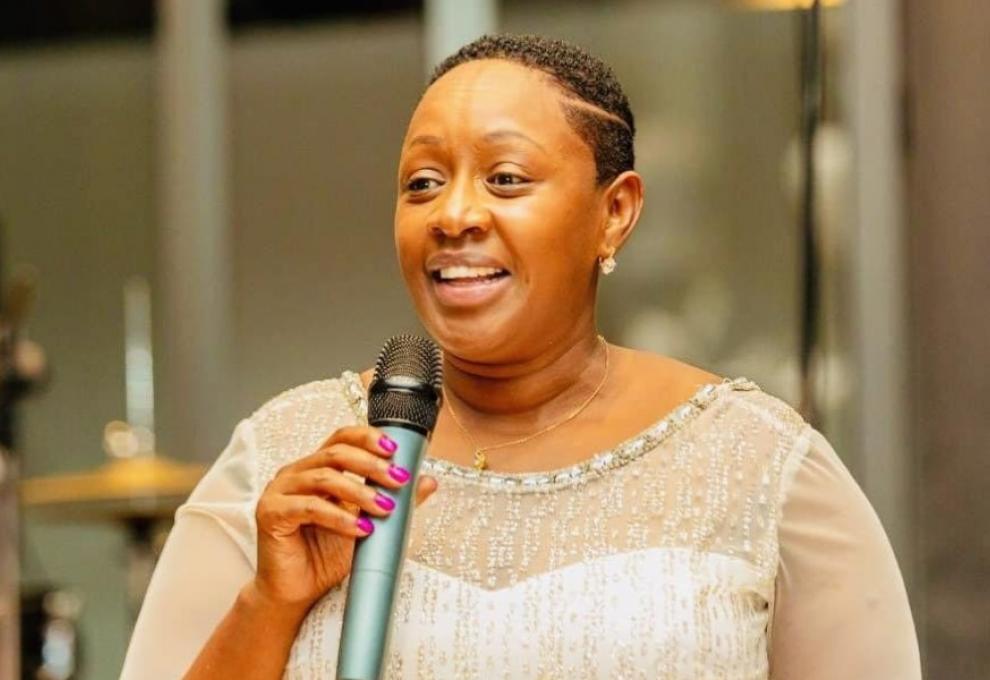
Nairobi Woman Representative Hon. Esther Passaris, who also sits in the Pan-African Parliament, said the visit reinforced why the continent needs harmonised legislation. She disclosed that the Pan-African Parliament's climate change model law, work that began with the Technical Committee in Djibouti in 2025, is currently at zero-draft stage, with a first draft due by October before plenary adoption. A separate model law on soil management is also in the pipeline. "Laws, budgets, oversight," she said, summarising the sequence countries must follow, while urging African states to "fight" for recognition and compensation on loss and damage.
Tunisia's representative to the Pan-African Parliament, Aymen Ben Salah, said the geothermal well, Octavia Carbon and Cella sites had left a strong impression and signalled interest in replicating such projects in Tunisia and elsewhere on the continent. He called for climate education to be embedded in primary schools, colleges and universities so that younger generations grow up protecting the environment.
Closing the discussion, Sen. Consolata Wakwabubi thanked the conveners and urged that fund rollouts honour global commitments. "When it is a loss, let us share equitably. If it is damaged funds, then we have to share equitably," she said, calling for more practical, site-based exchanges of this kind.